The Pepilandia mosaic
Insights, the figures and symbols of Solomon J. nel villaggio dei Pepileni
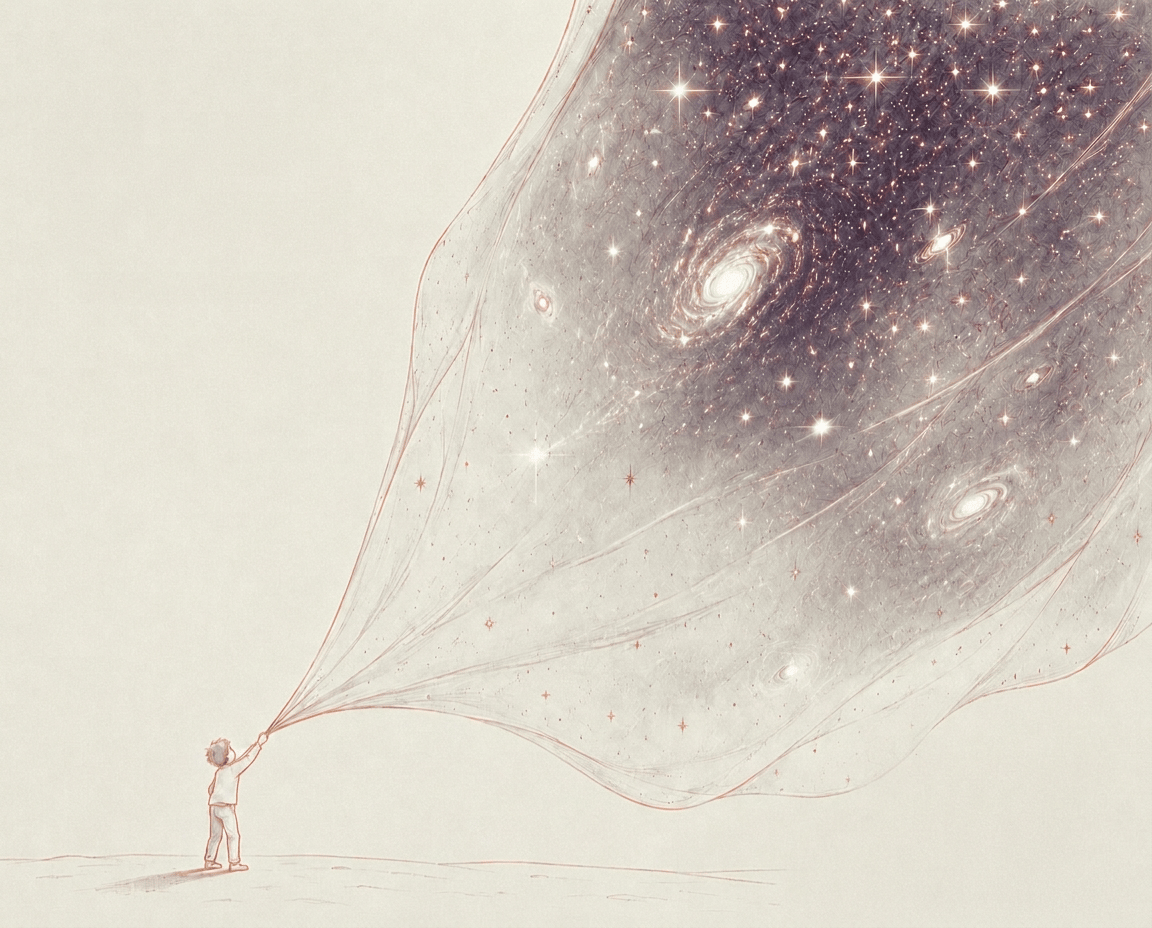
Takaró
The Takaró is the shape the Universe wraps around every child before birth: a map to find yourself again when absences turn into giants.
Read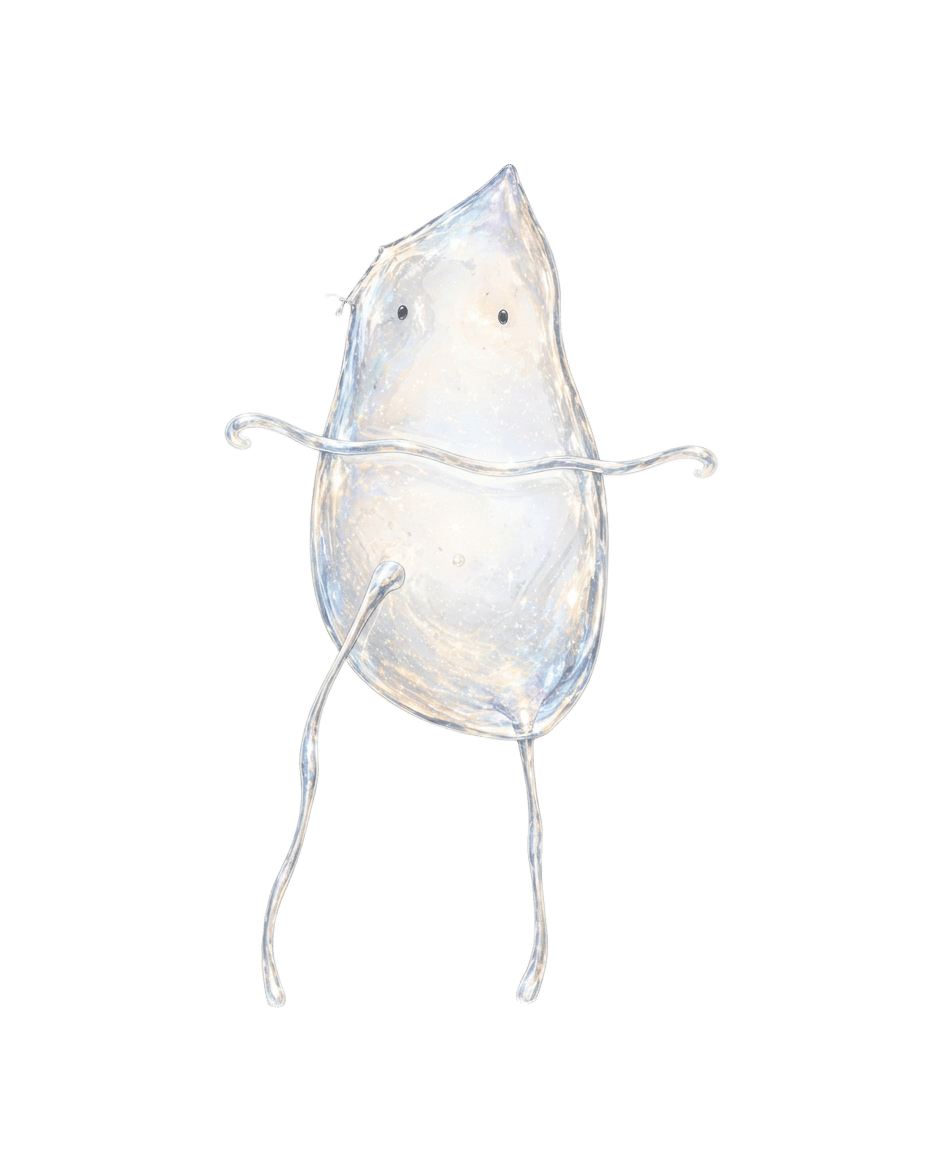
Pepileno
The Pepileno is the creature that walks beside Solomon J.: it points the way, gives the Takaró back, and stays close without taking the child's place.
Read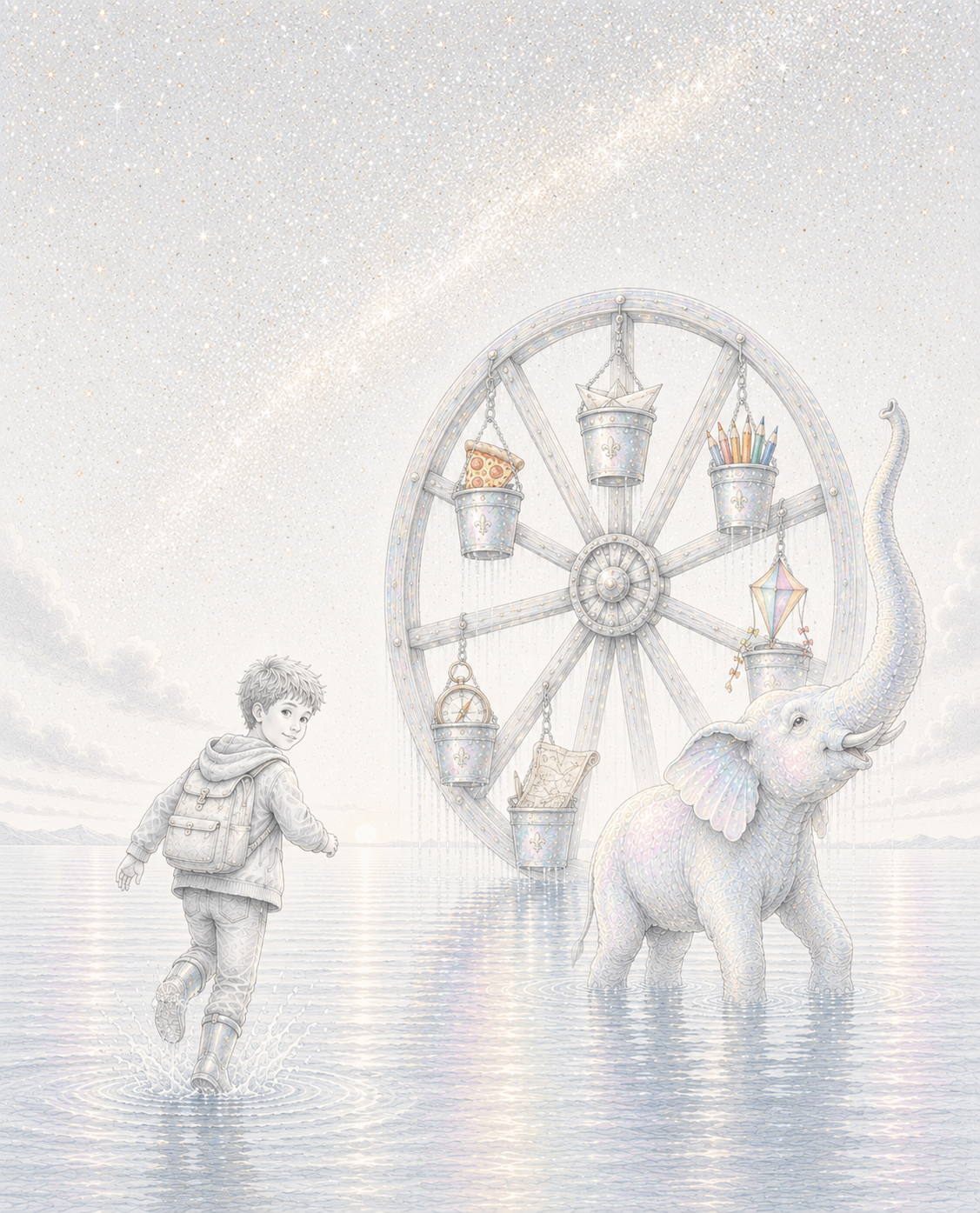
Pepilandia
Pepilandia is the village where people look at each other, name each other and notice who is missing. The Pepilena Magna keeps count of the children, the bridges connect what distance separates, and the map exists because someone needs to find the way back.
Read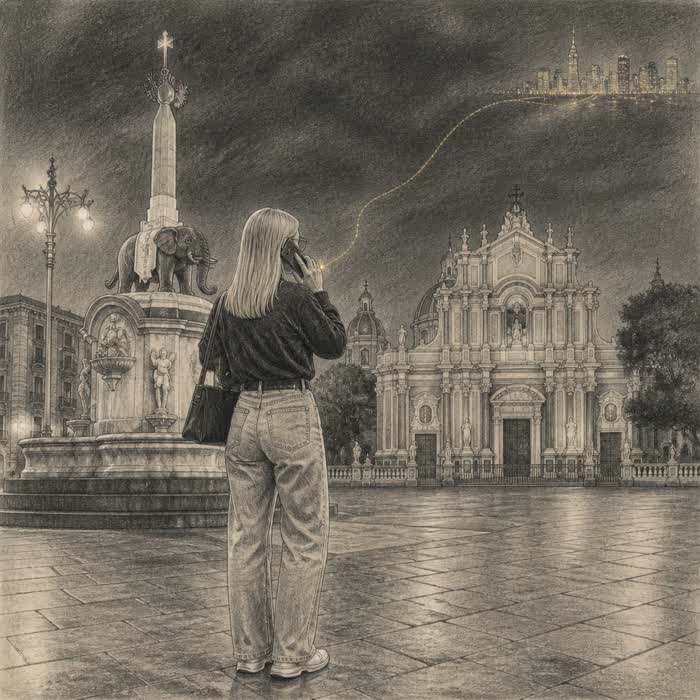
Pamela
Pamela, the friend, fills only a few lines of the story: a voice arriving from far away that fills the room. They live in two distant cities and their bond is held together by the telephone.
Read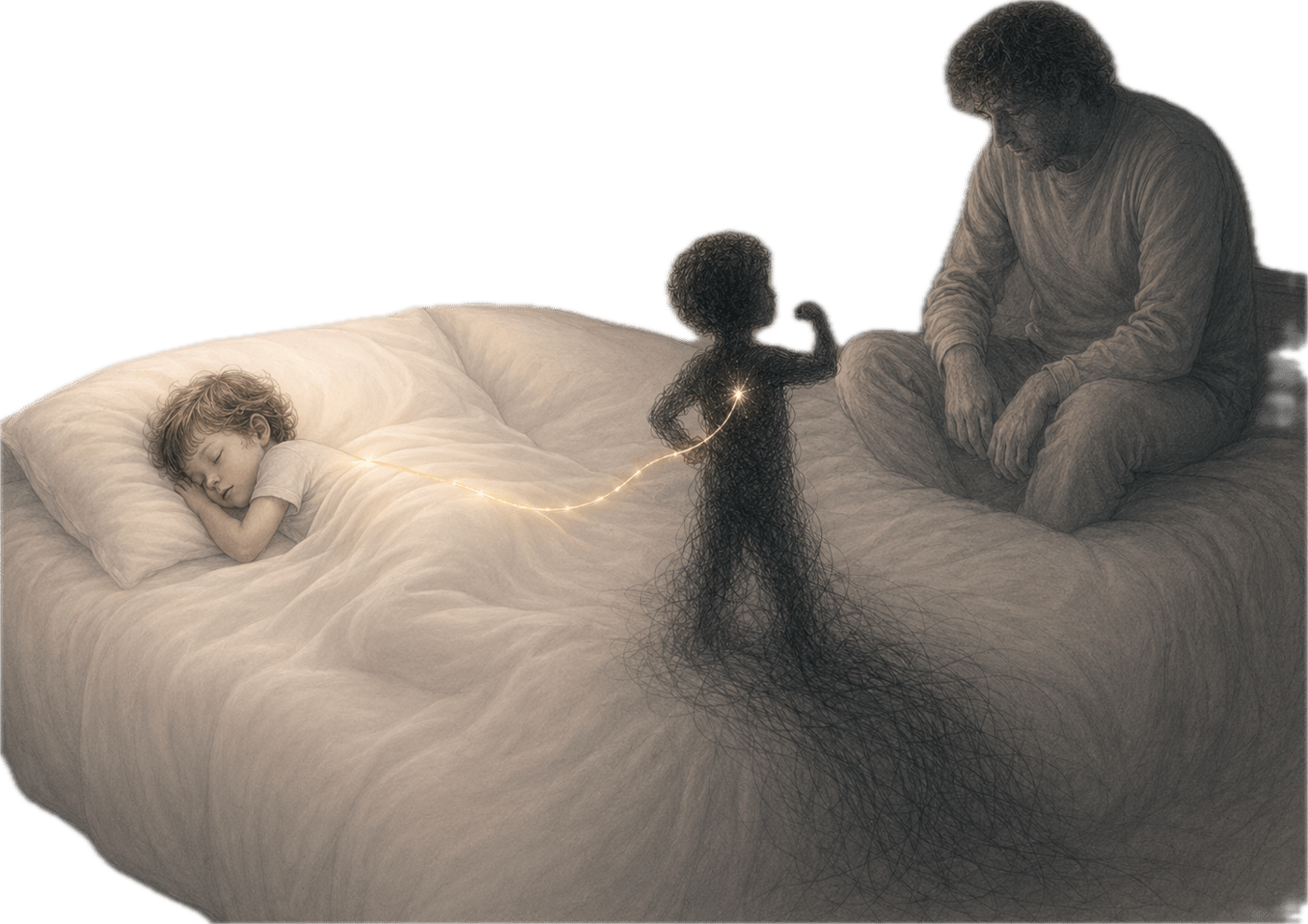
The Giant
The Giant is the father. The tale gives him a name and a shape, so that the child can look at him, recognise him and carry on along his own road.
Read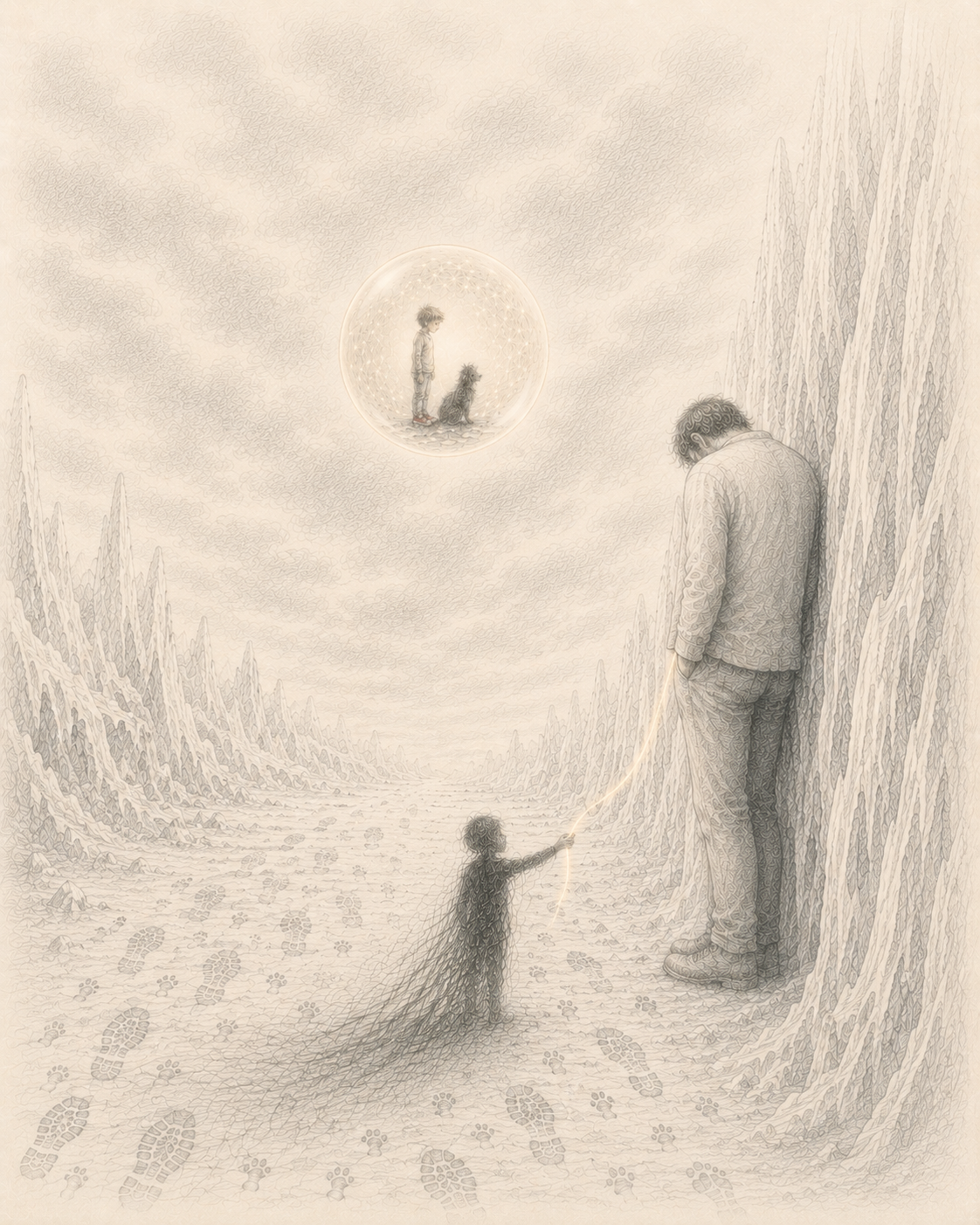
Alcolà
The Alcolà is the glacier that holds the Giant: the name the child gives to his father's cold, and by naming it he can look at it.
Read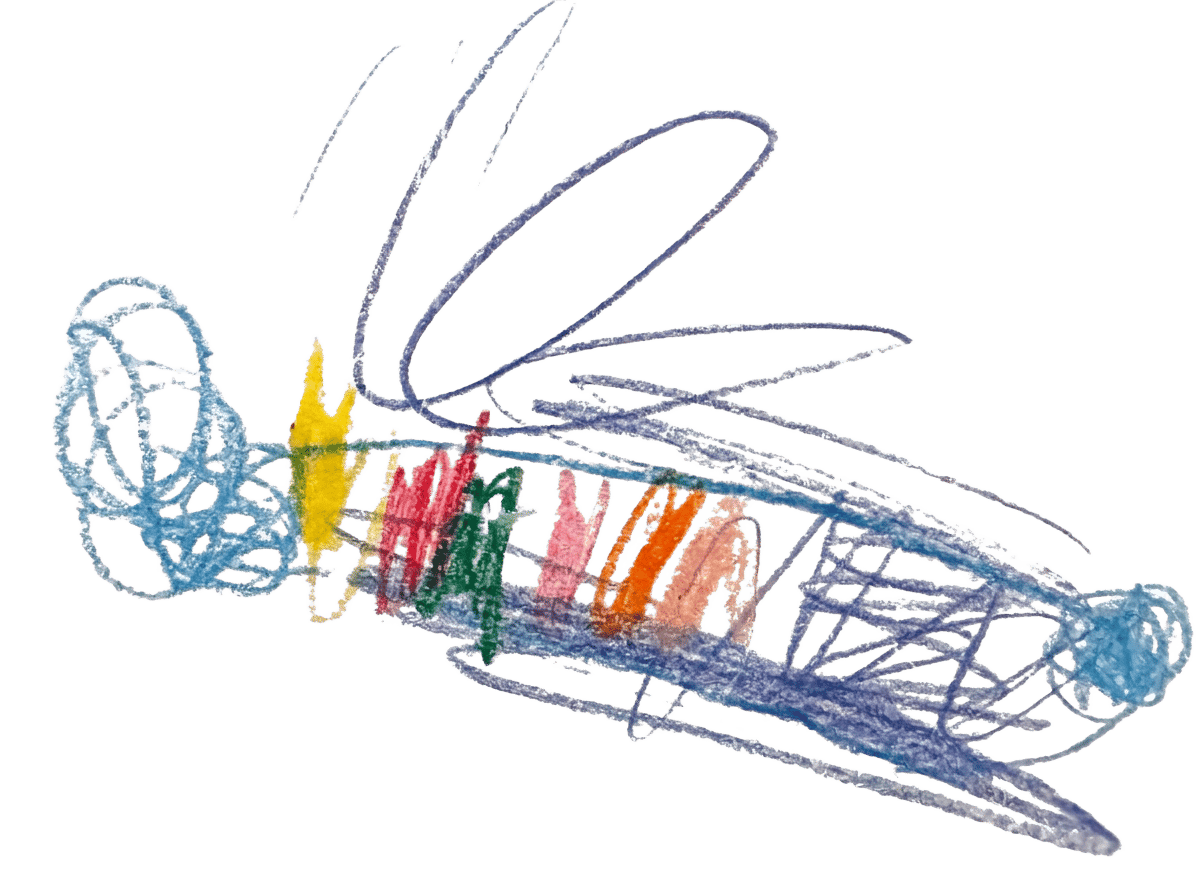
Zanzabalena
The Zanzabalena holds two creatures of opposite size together: the tiny buzzing that circles around, and the bulk that fills the whole horizon.
Read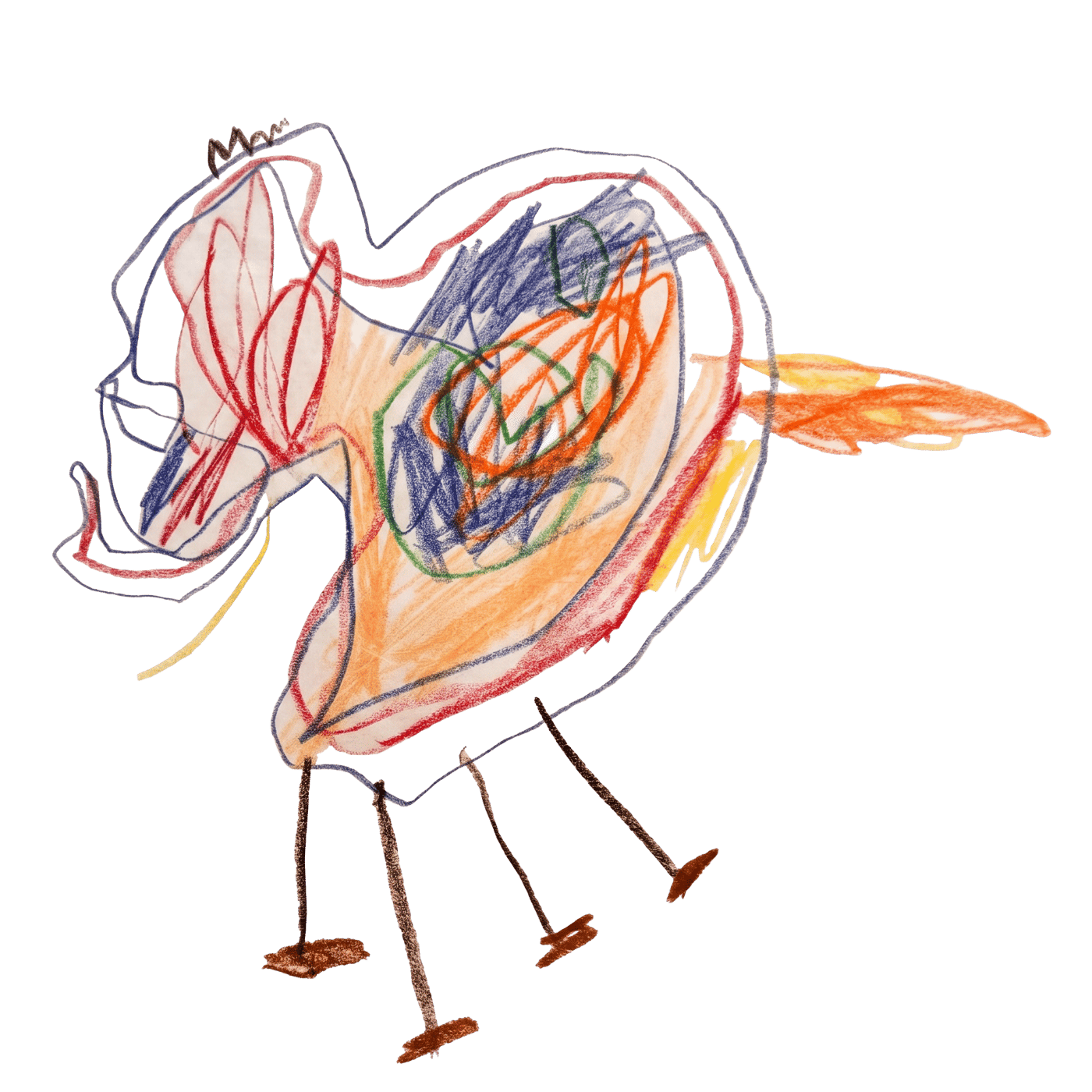
Pepifante
The Pepifante has soft skin and a step so light it lifts not a single grain of light. From afar it looks all colours, up close it turns out to be transparent: the colours come from its cheerful thoughts.
Read
The author
Anusha Bhama Gukhool teaches, listens to children and writes their stories. With this tale she creates the Pepileni, a new mythology for childhood.
Read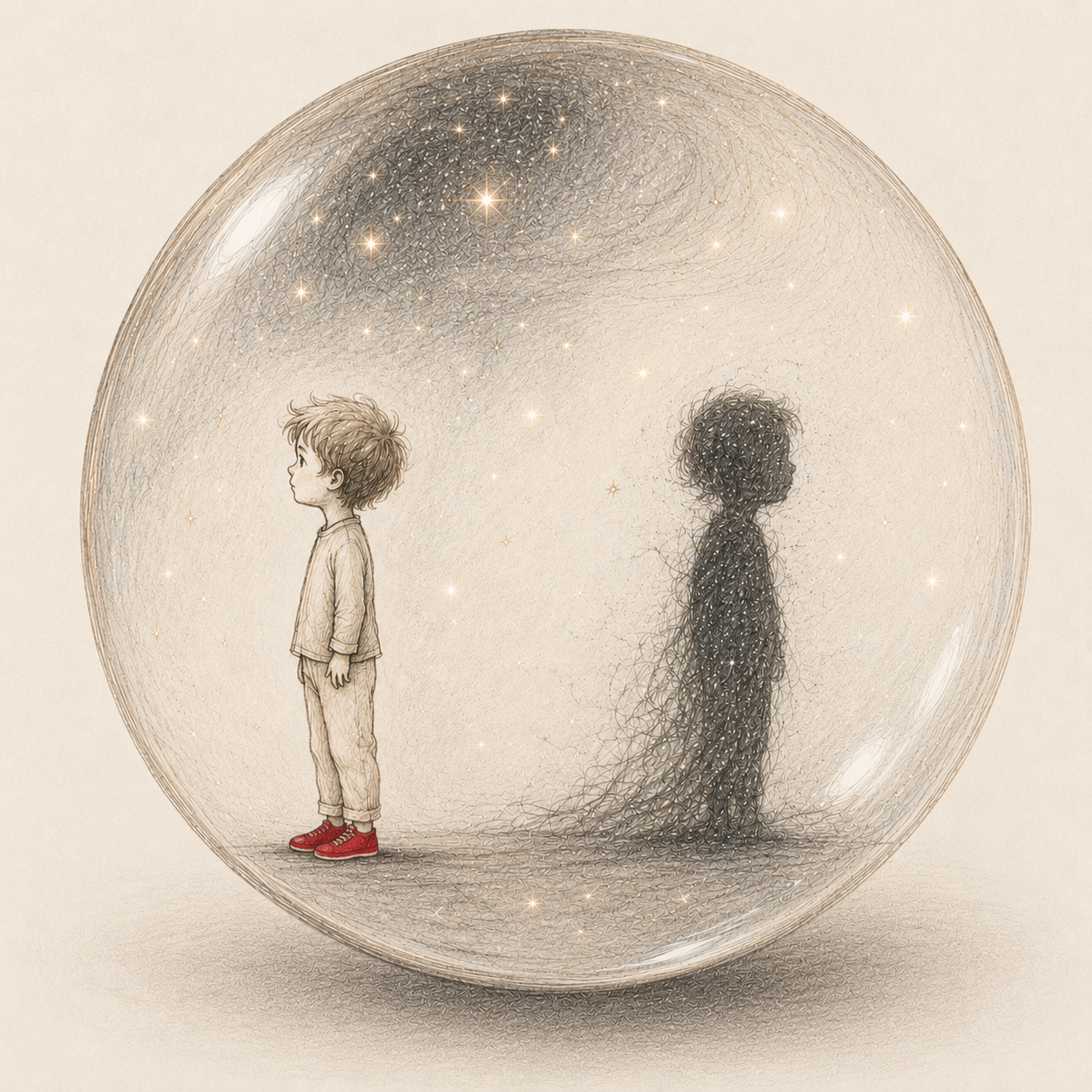
The bubble
Bubbles are a founding structure of the tale, and each one has a precise function. The first bubble is milky, «a swirling, muddled space», born of Solomon J.'s fears: it holds those fears and lets him feel the sensations he will have to face, because they belong to him.
Read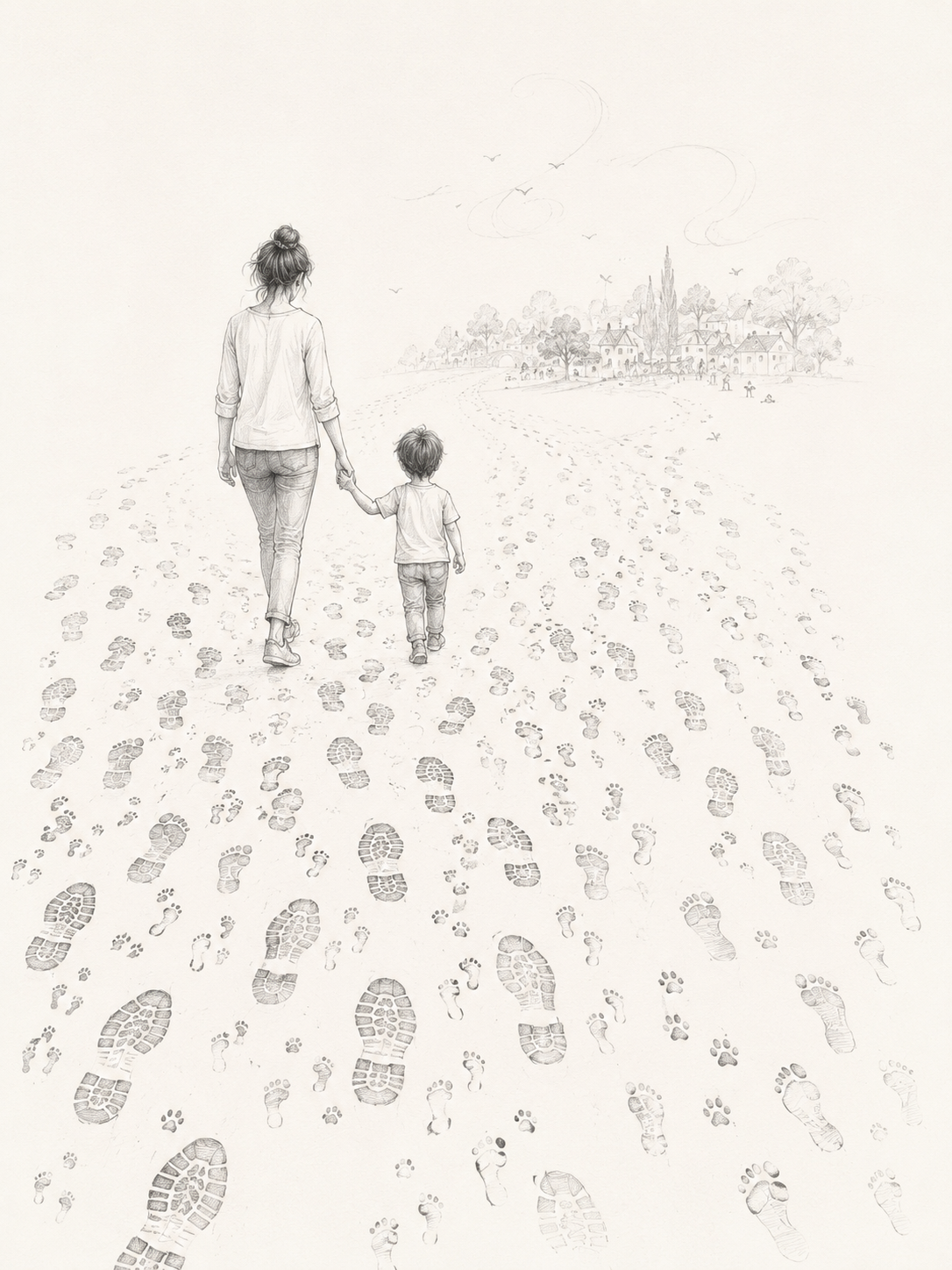
The village
When a child is born, it takes a whole village to raise them. For Solomon J. the village arrives later, in the shape of the Pepileni, and becomes the place where someone keeps count of the children.
Read
The Pepileni
The Pepileni are the name of a community: calling the people who welcome others by a new word means declaring that welcome is a people, a culture, a way of being in the world that can be learned.
Read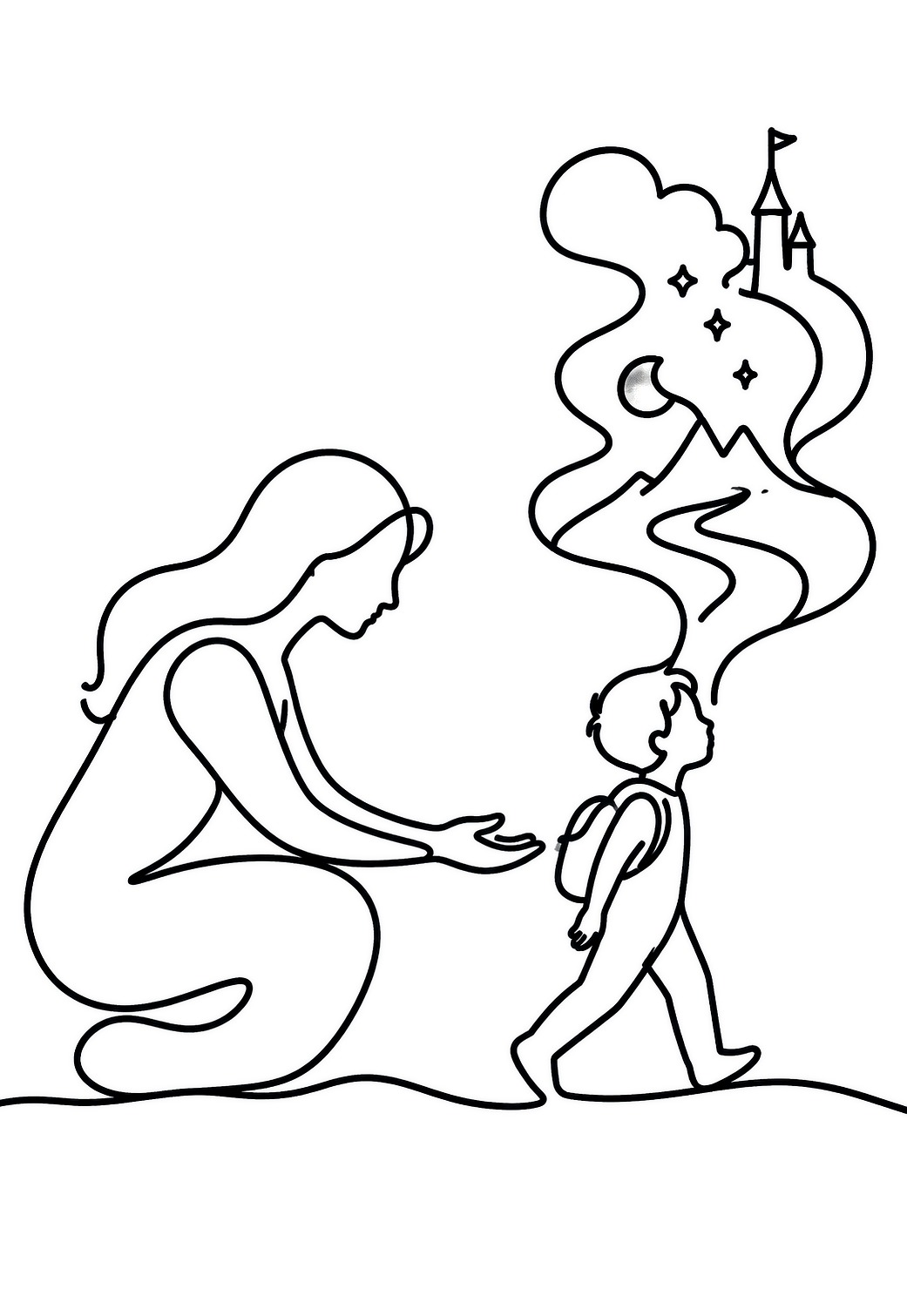
Madre
In the book this woman carries a single name: Madre. Her given name stays off the page, and the word that names her coincides with the function she serves. Solomon J. calls her Madre for the guiding role she has in his life, and mum when he feels vulnerable.
Read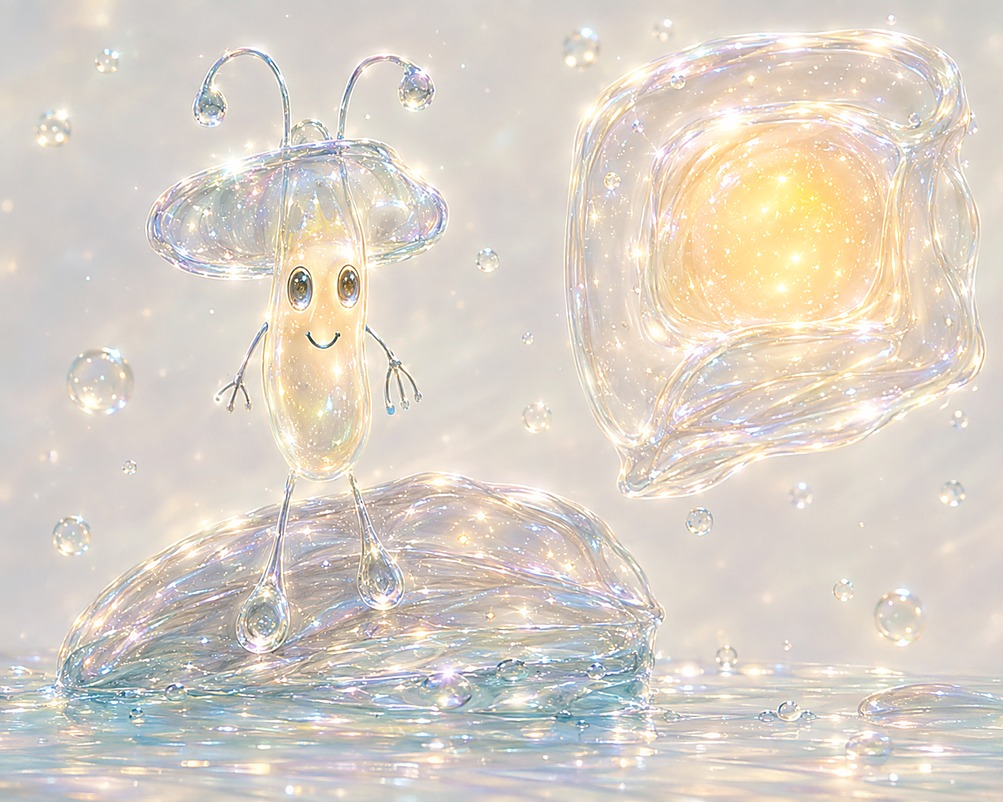
The Sunrise Pepilene
They keep the Takaró, the cloth of Universe that wraps every child before birth. Each Takaró is unique, handed over so that the child remembers where he comes from and how powerful he is.
Read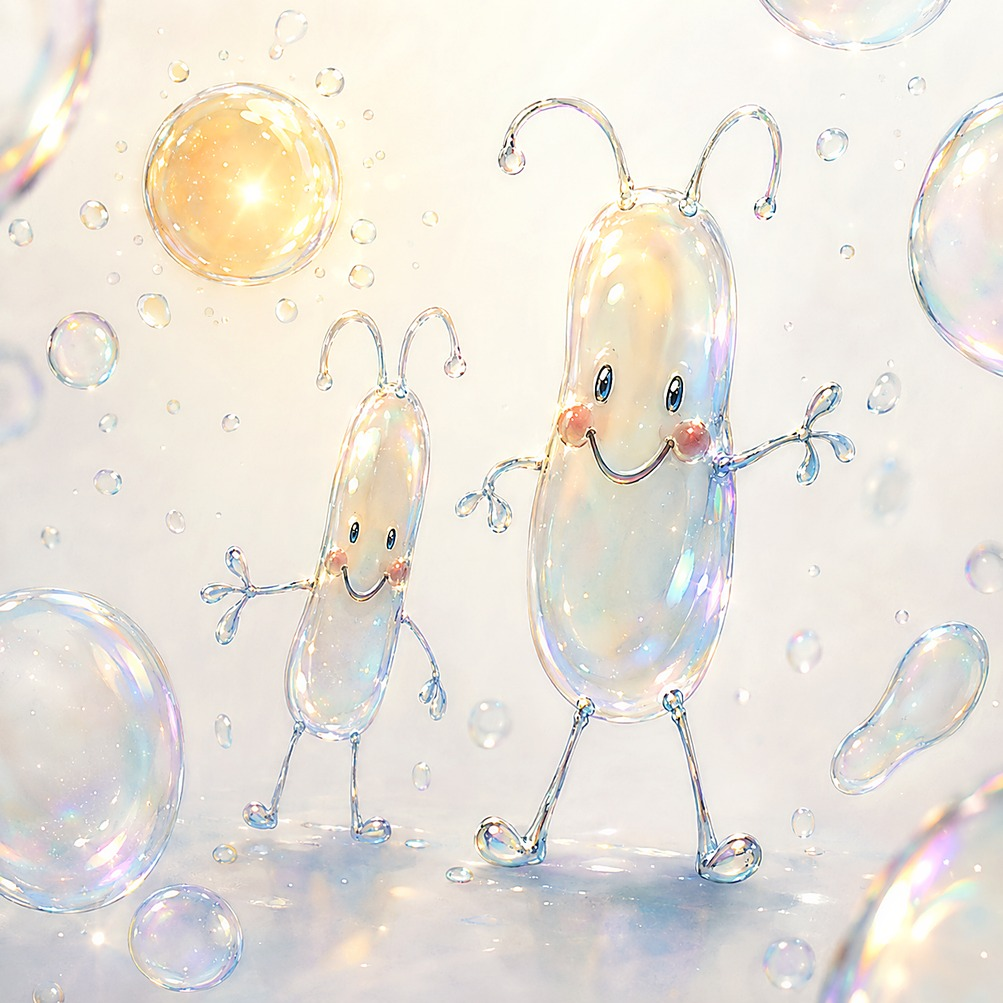
The Sunchildren
In Pepilandia Solomon J. finds another word for his own intensity: Sunchild. «Too much» comes from the measure of whoever is watching, and in this village the measure changes.
Read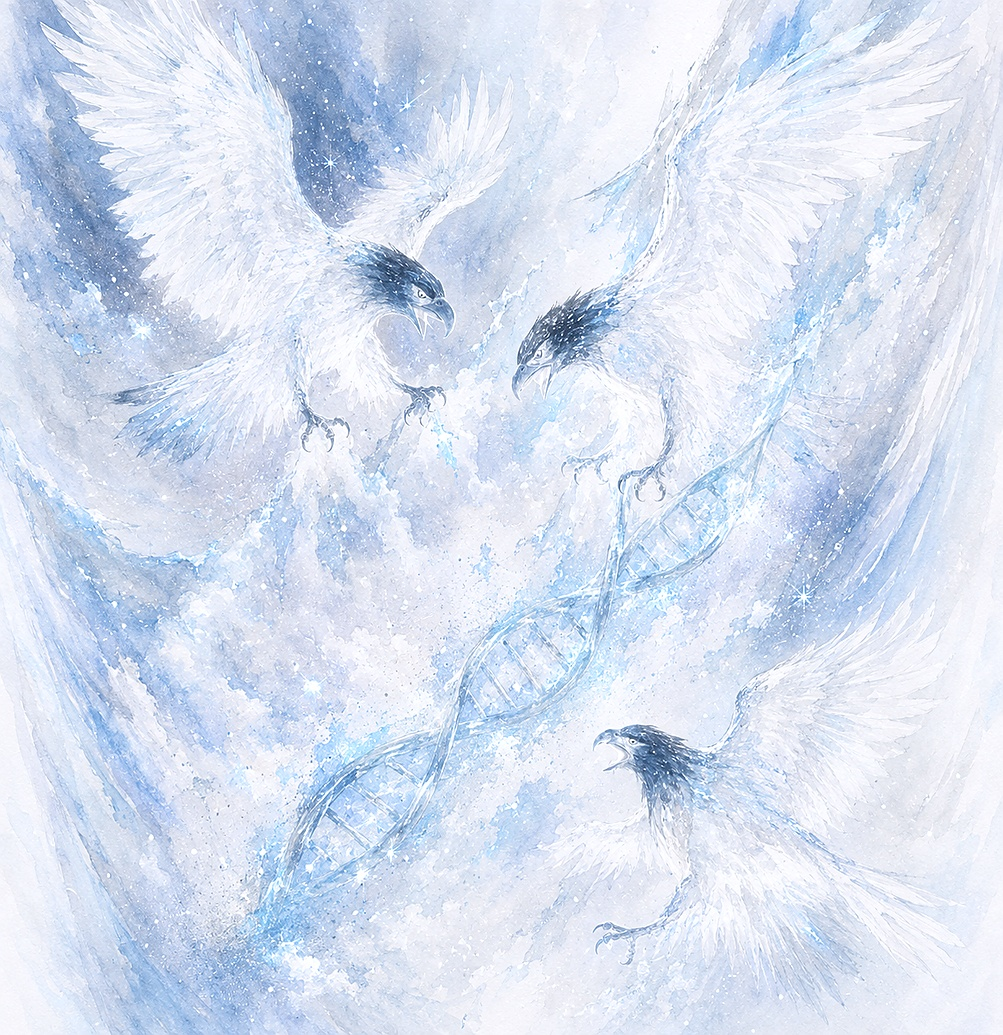
The Eagles of Hybris
On the Glacier of the Alcolà the Giant receives from Shadow the little thread of the Takaró, the symbol of the primary bond, and does not grasp its meaning. He wastes it by giving it to the hungry eagles.
Read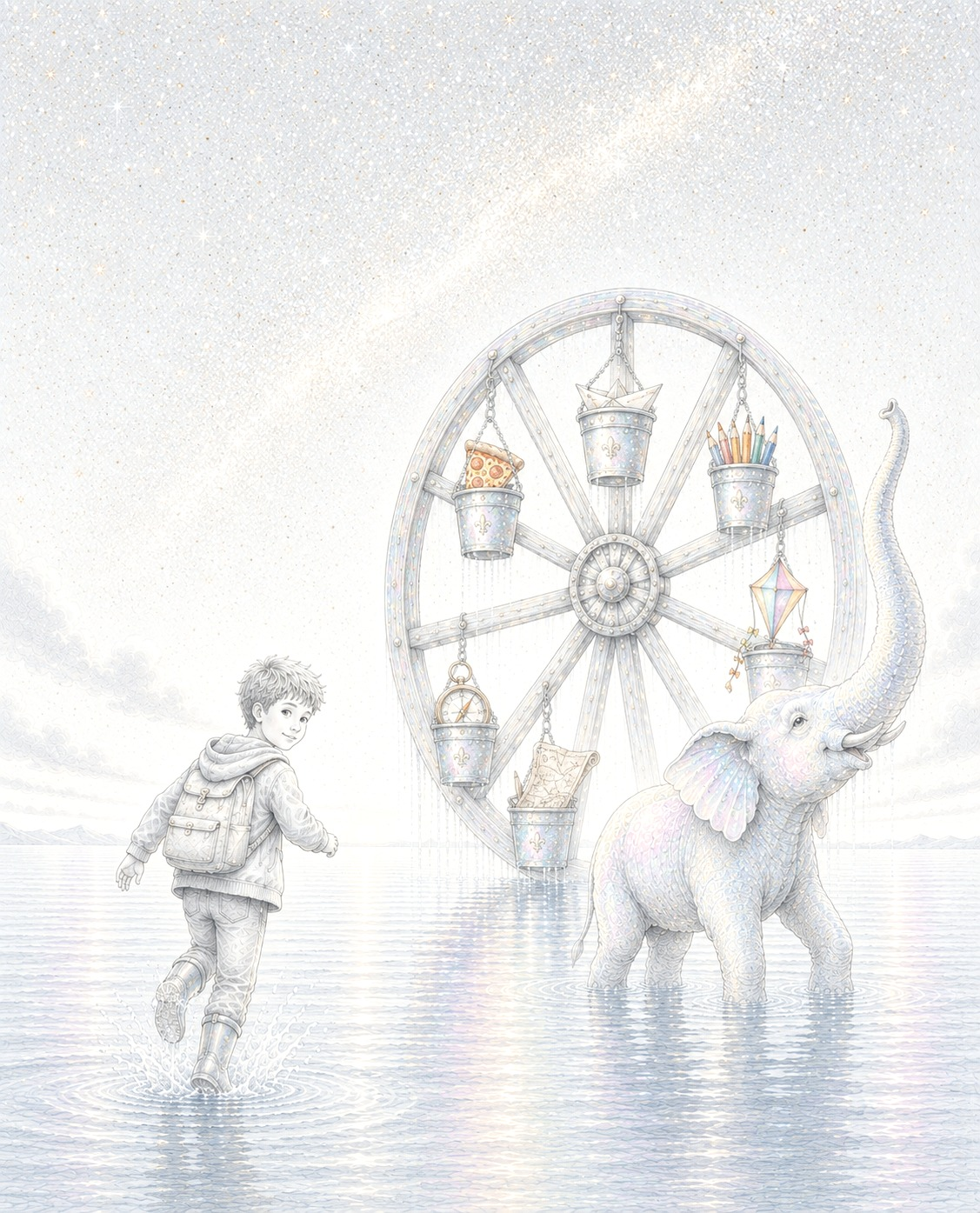
The bridges
The bridges of Pepilandia are transformative pedagogical spaces: Uncle Paul's wheel, the buckets with pizza, the colours, the kite, the compass and the map gather the objects of play and hand them back to the child.
Read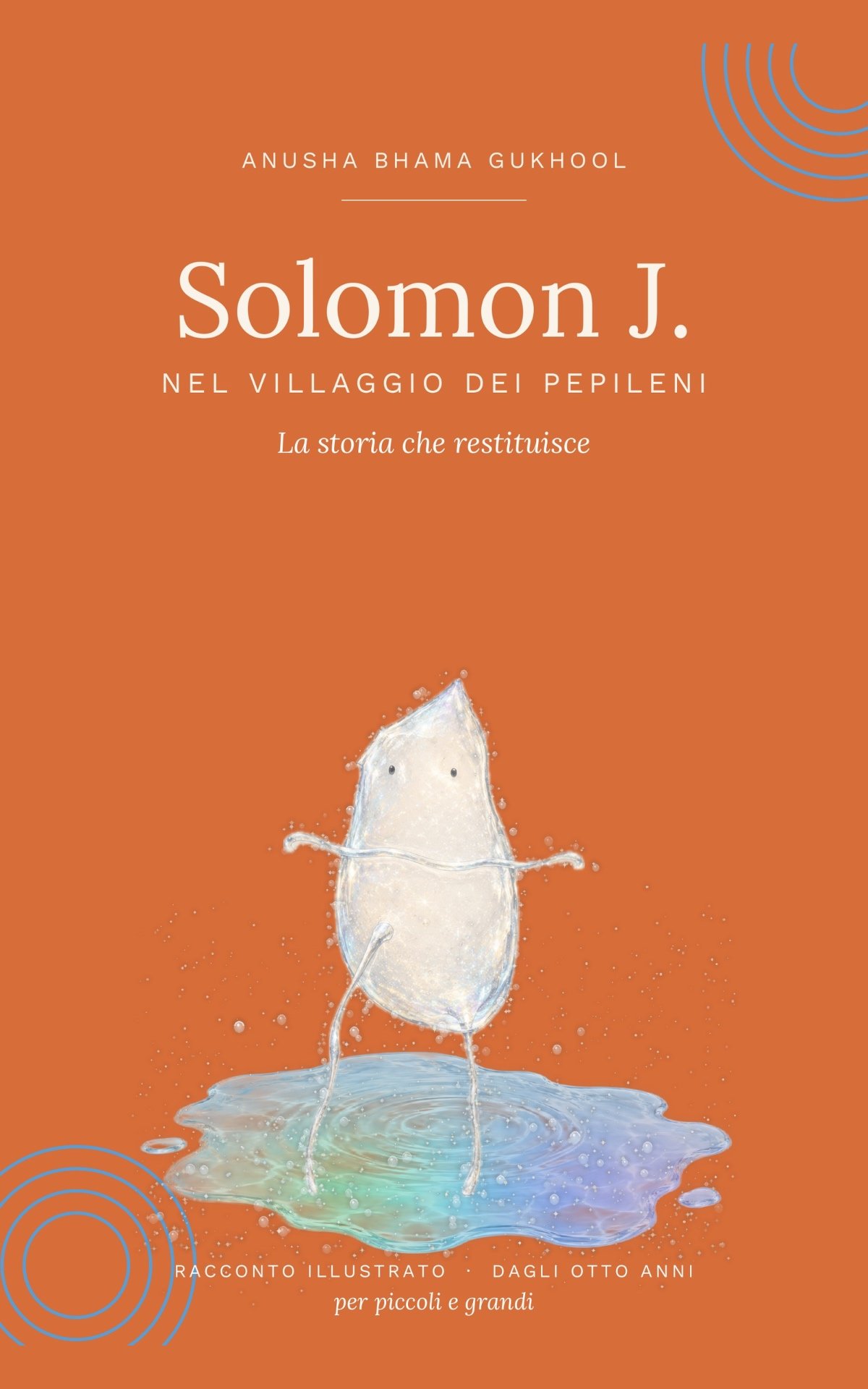
Buy the book
Solomon J. nel villaggio dei Pepileni is the fairy tale by Anusha Bhama Gukhool. It is now also available in English as Pepileni, The Story That Gives Back, on Amazon.
Read