A language that belongs to children
A register of metaphors, symbols and ancient echoes that children feel as their own and adults recognise with the same intensity.
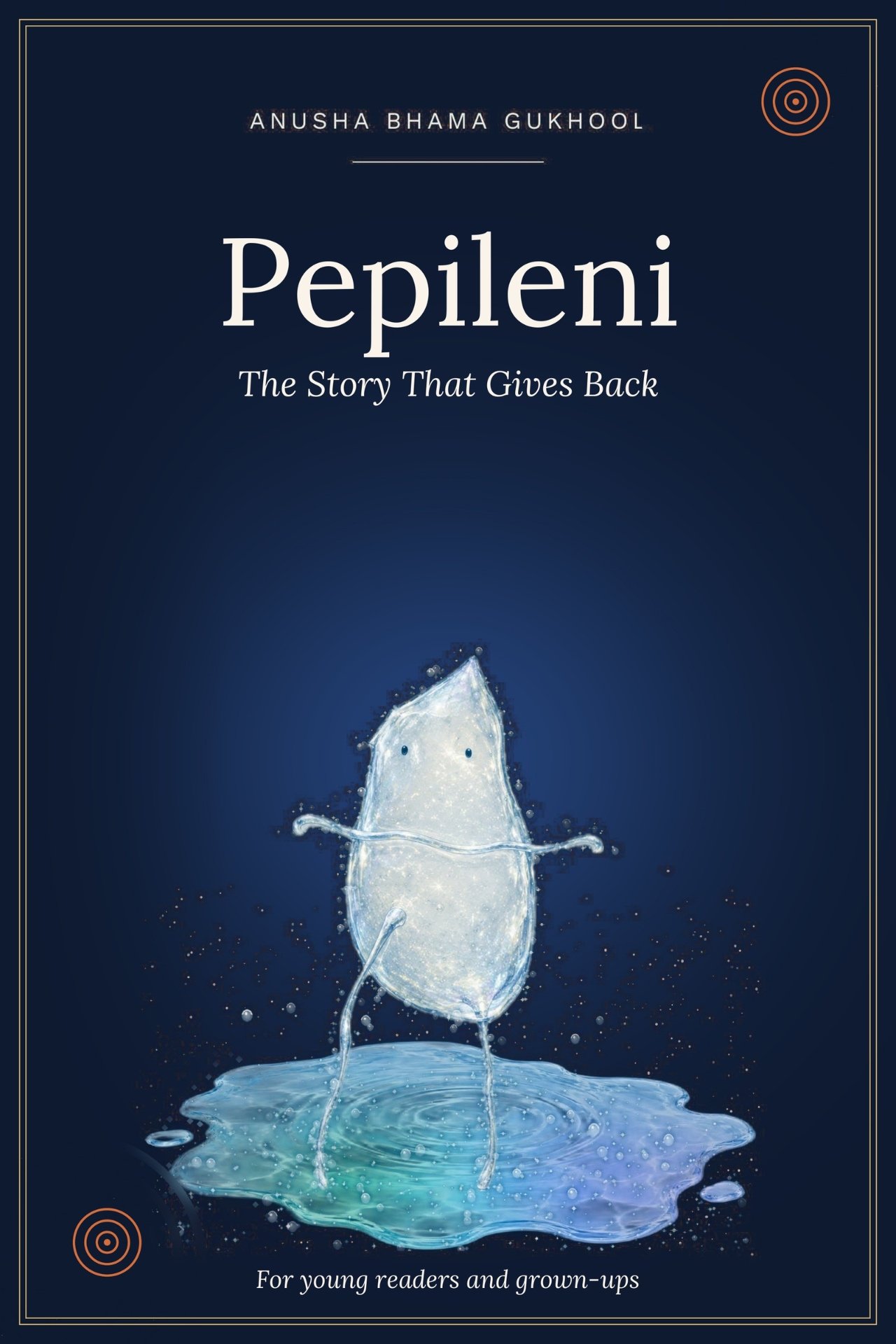
A fairy tale by Anusha Bhama Gukhool
A story for children. A mirror for adults.
Here grown ups find the little ones again, and the little ones find the grown ups.
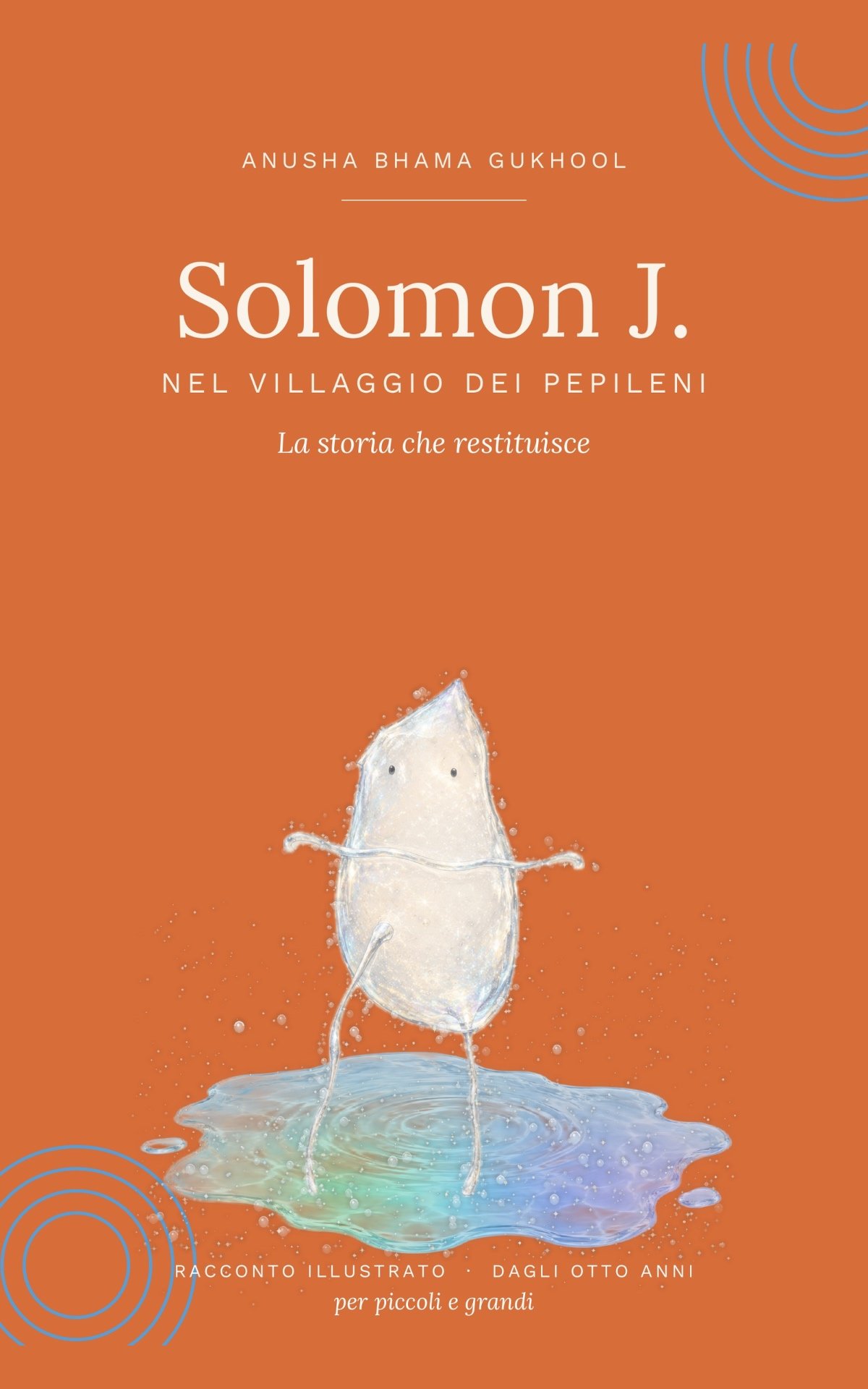
Step into the enchanted world of Solomon J. in the Village of the Pepileni.
News
Tap and discover Pepilandia
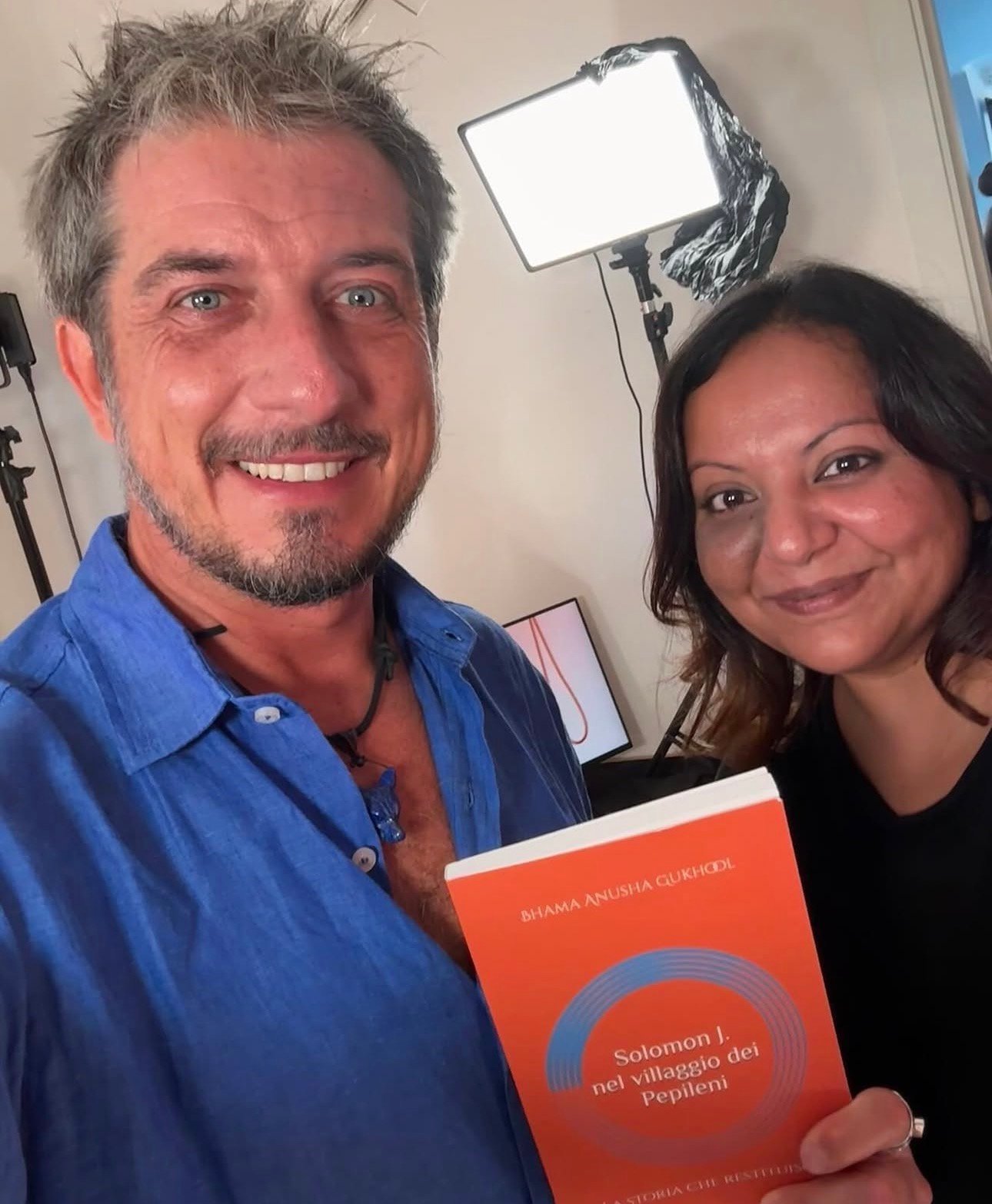
The book in the media
Anusha Bhama Gukhool was a guest of Paolo Ruffini on the Italian programme Mamme. The full interview and the reels are collected in the press page.
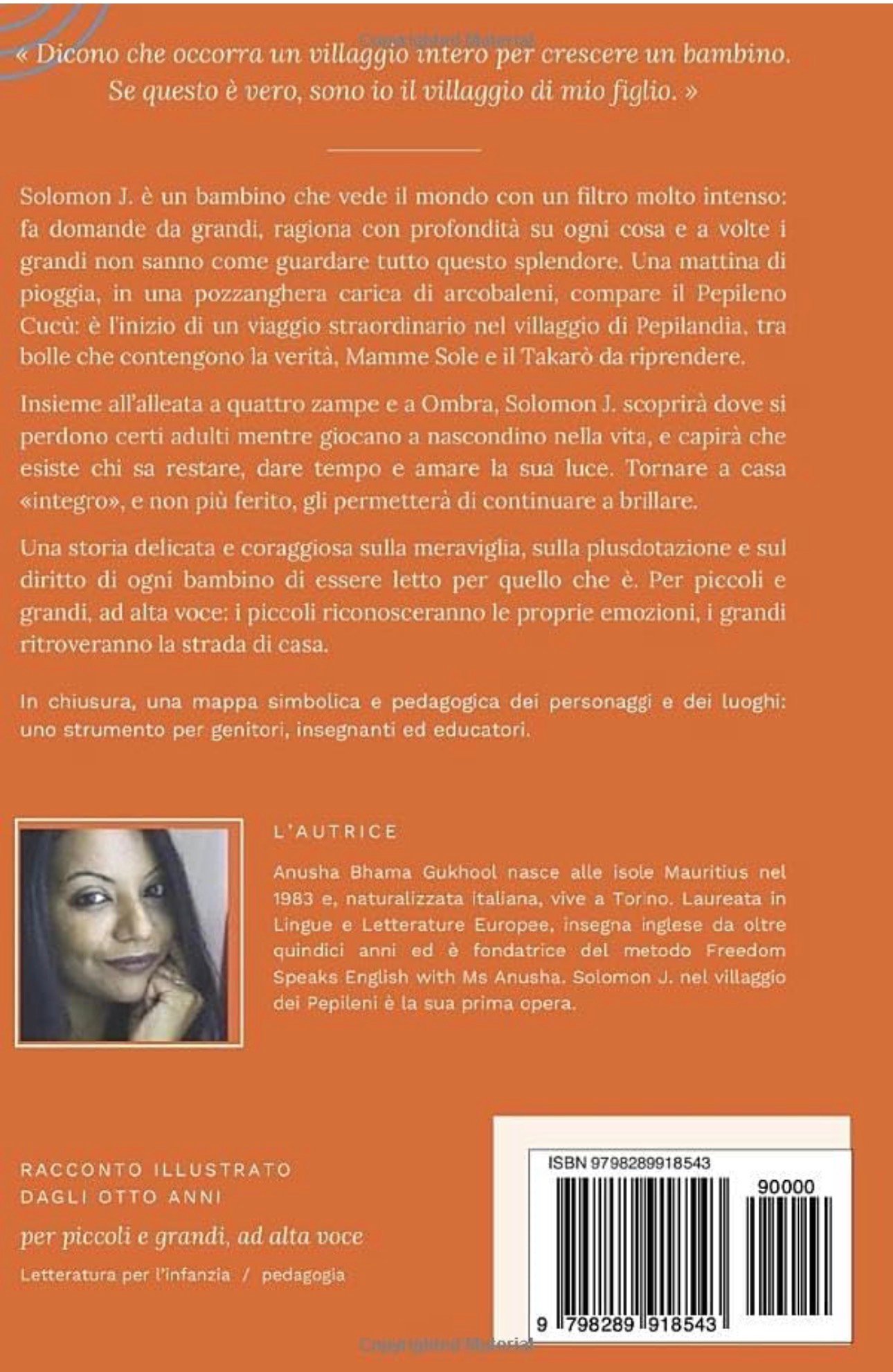
A fairy tale read by parents, teachers and child psychologists.
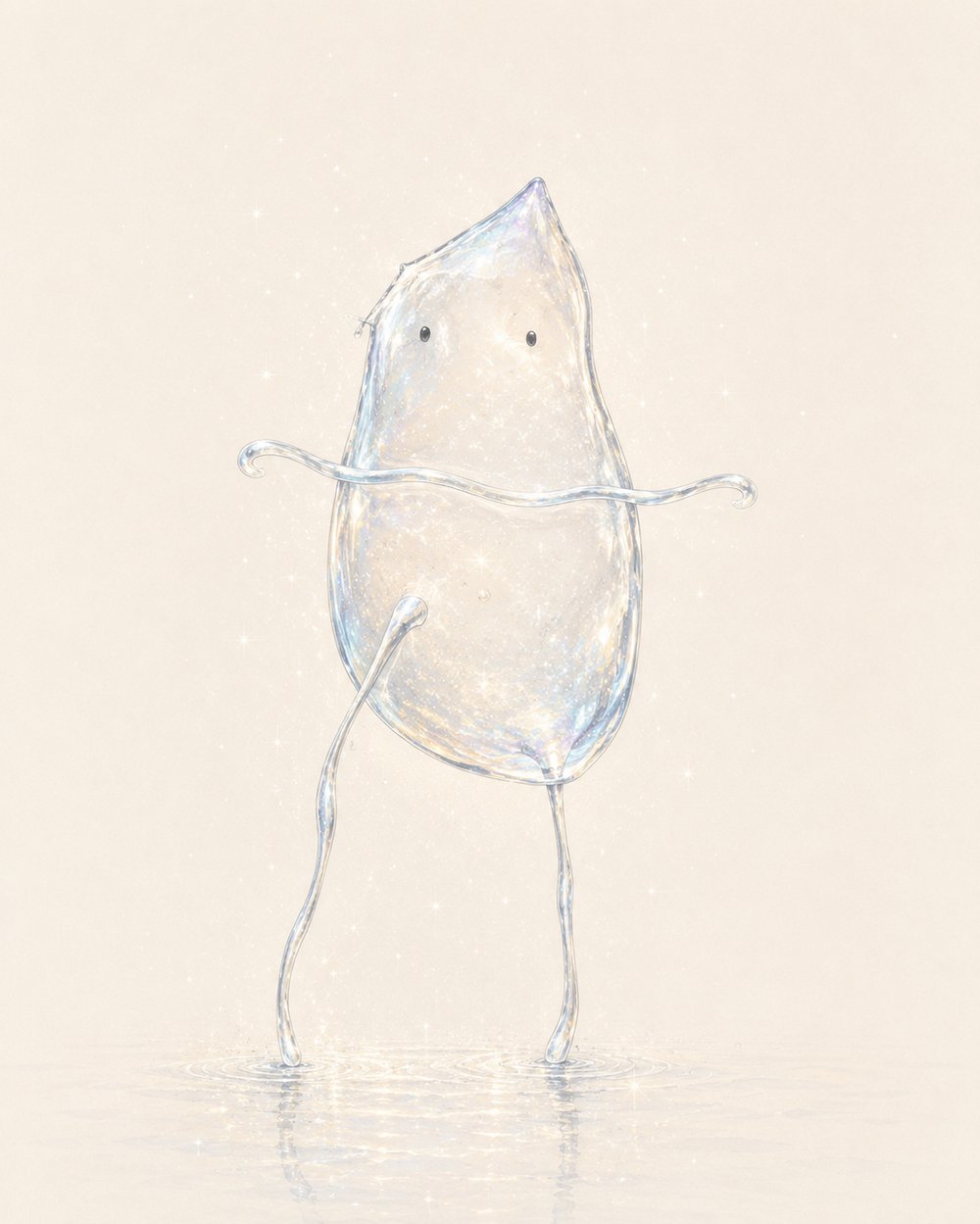
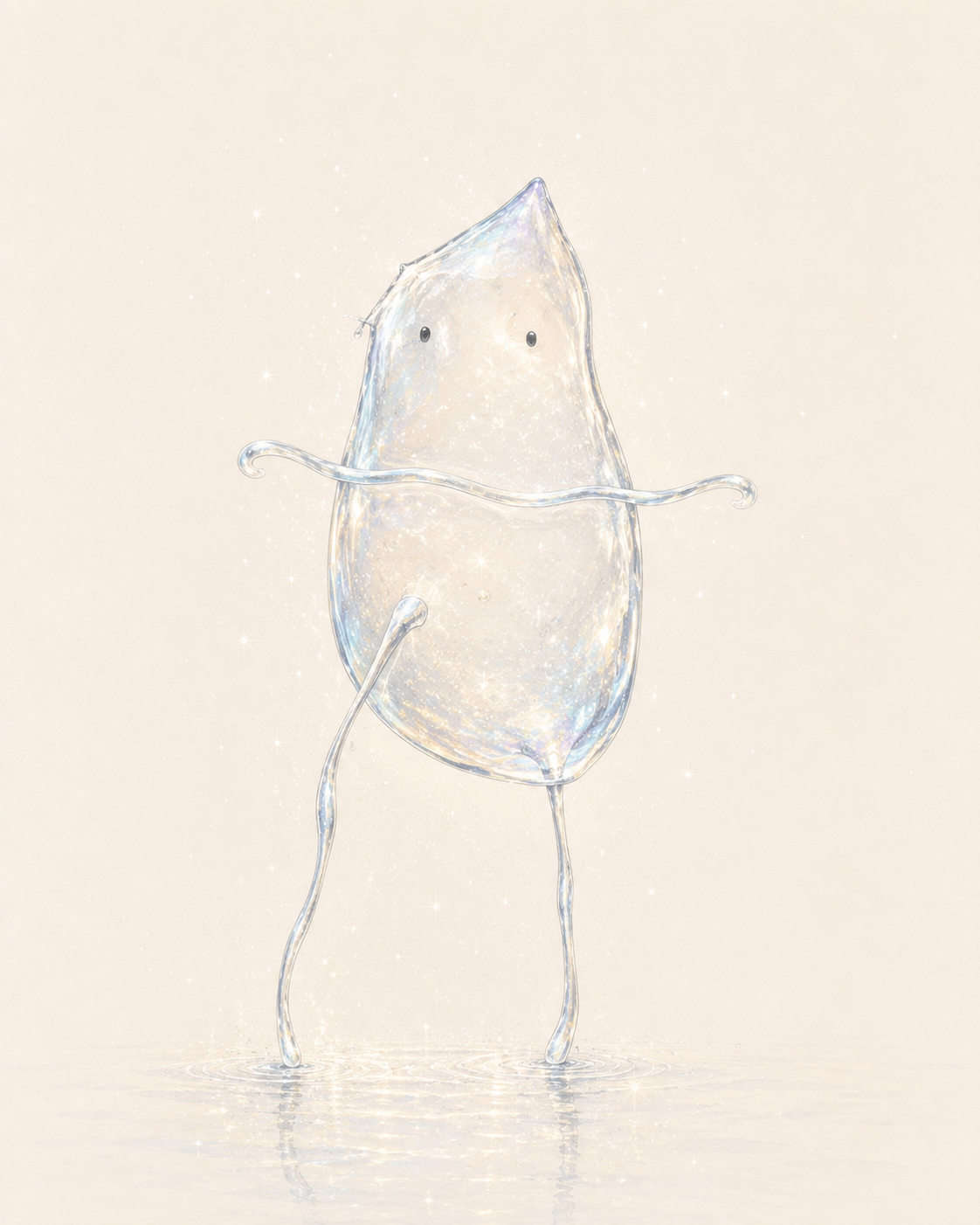
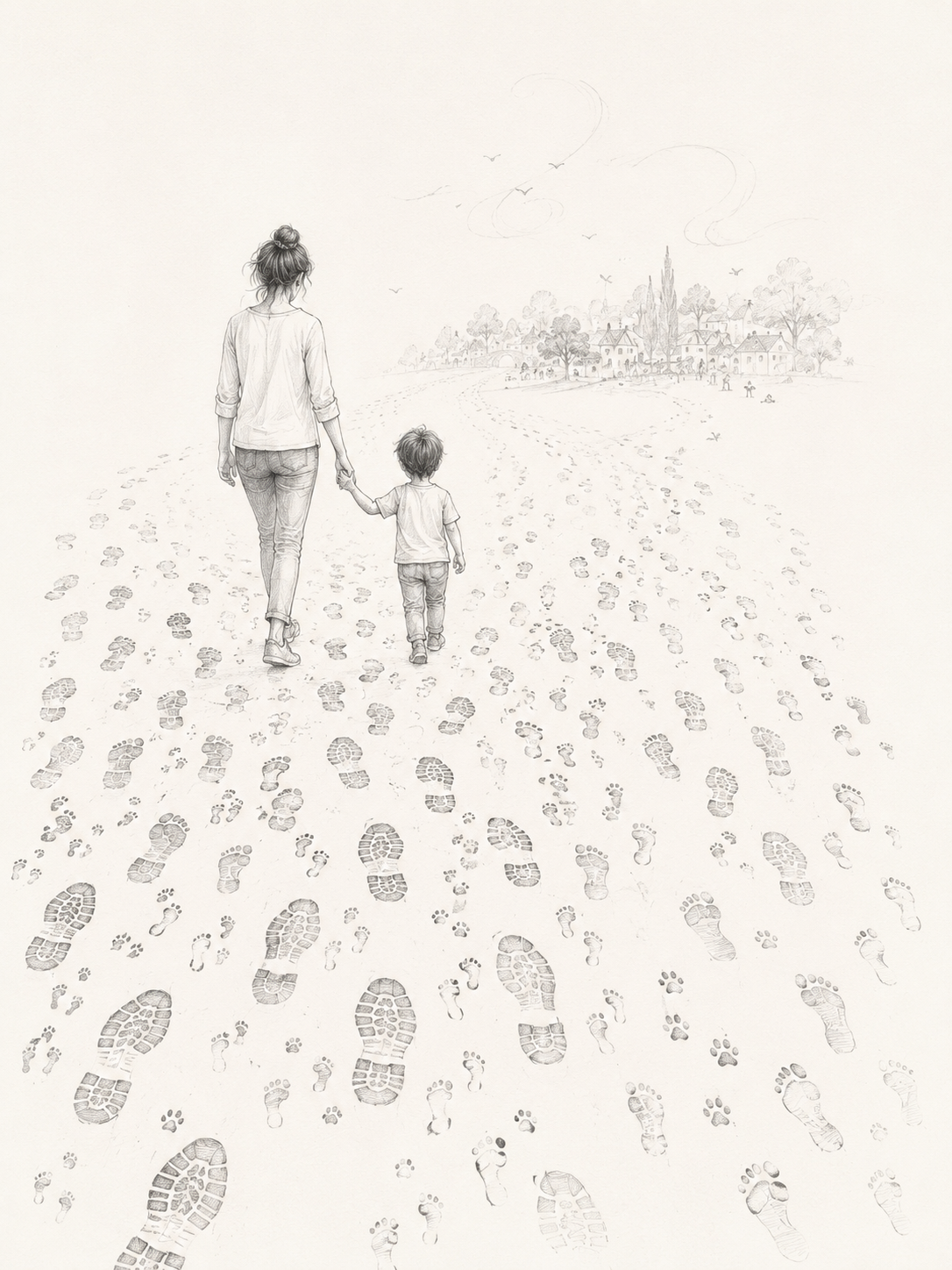
When a child is born it takes a whole village to raise them. For Solomon J. the village came later, in the shape of the Pepileni.
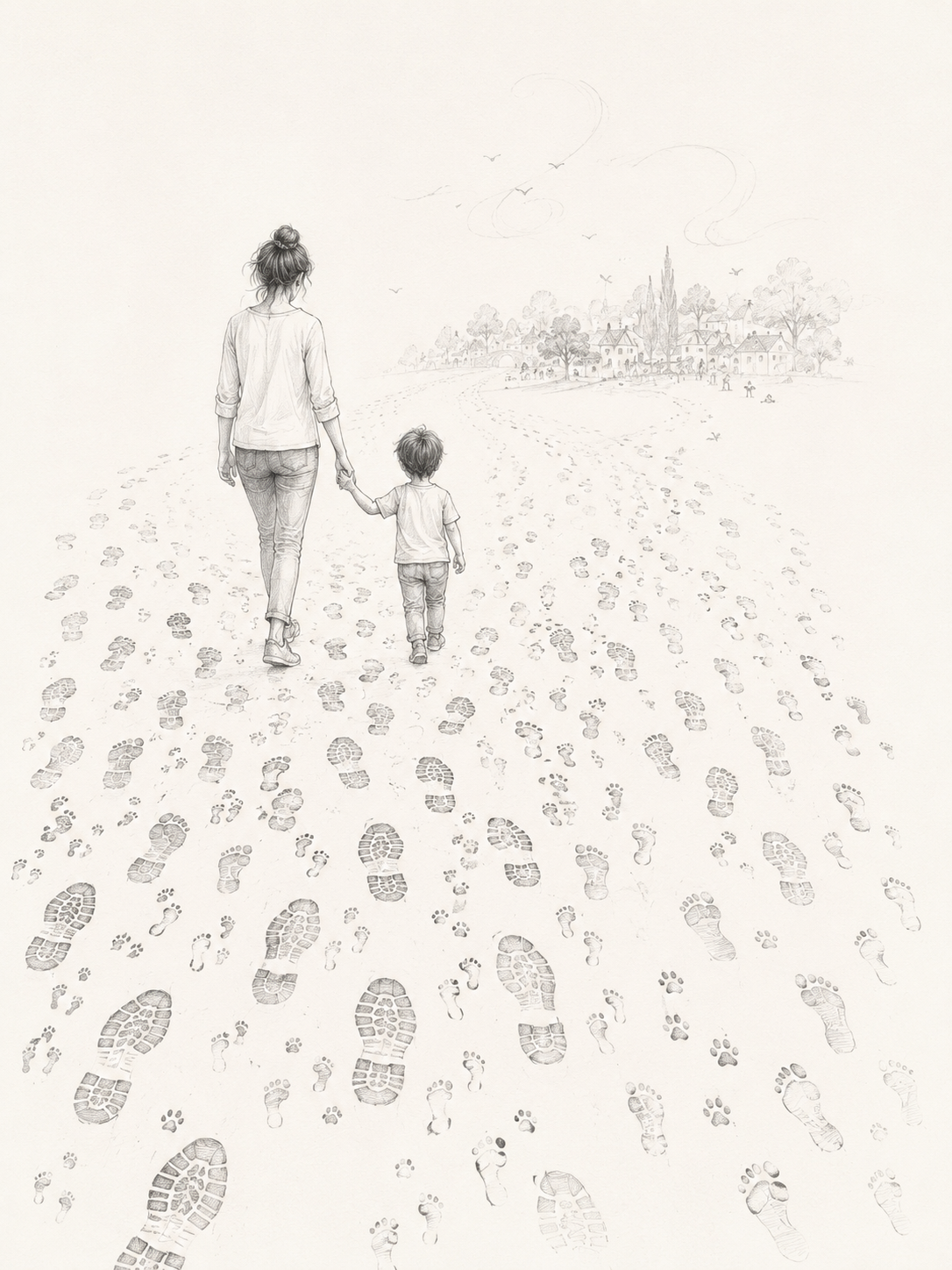
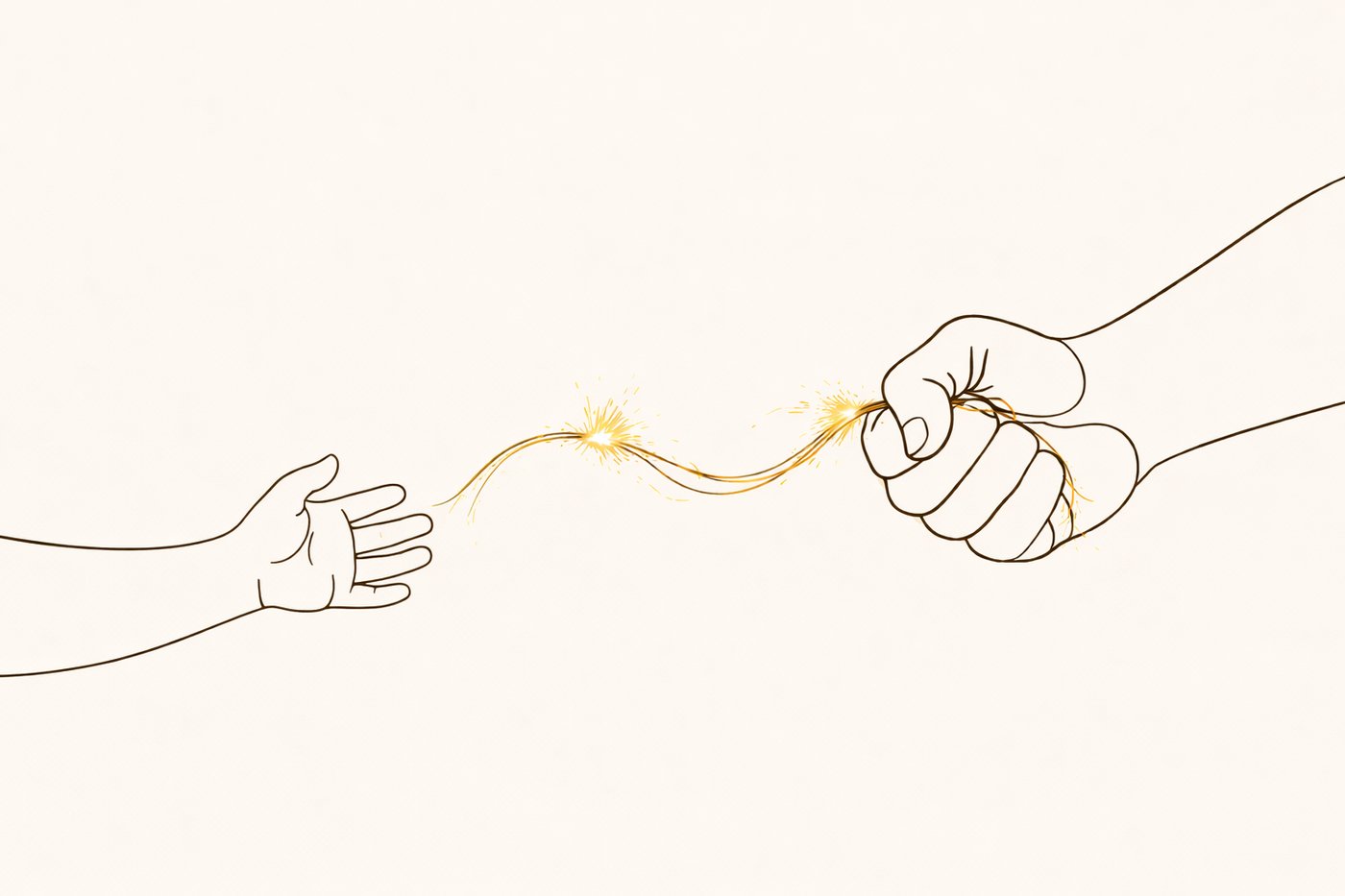
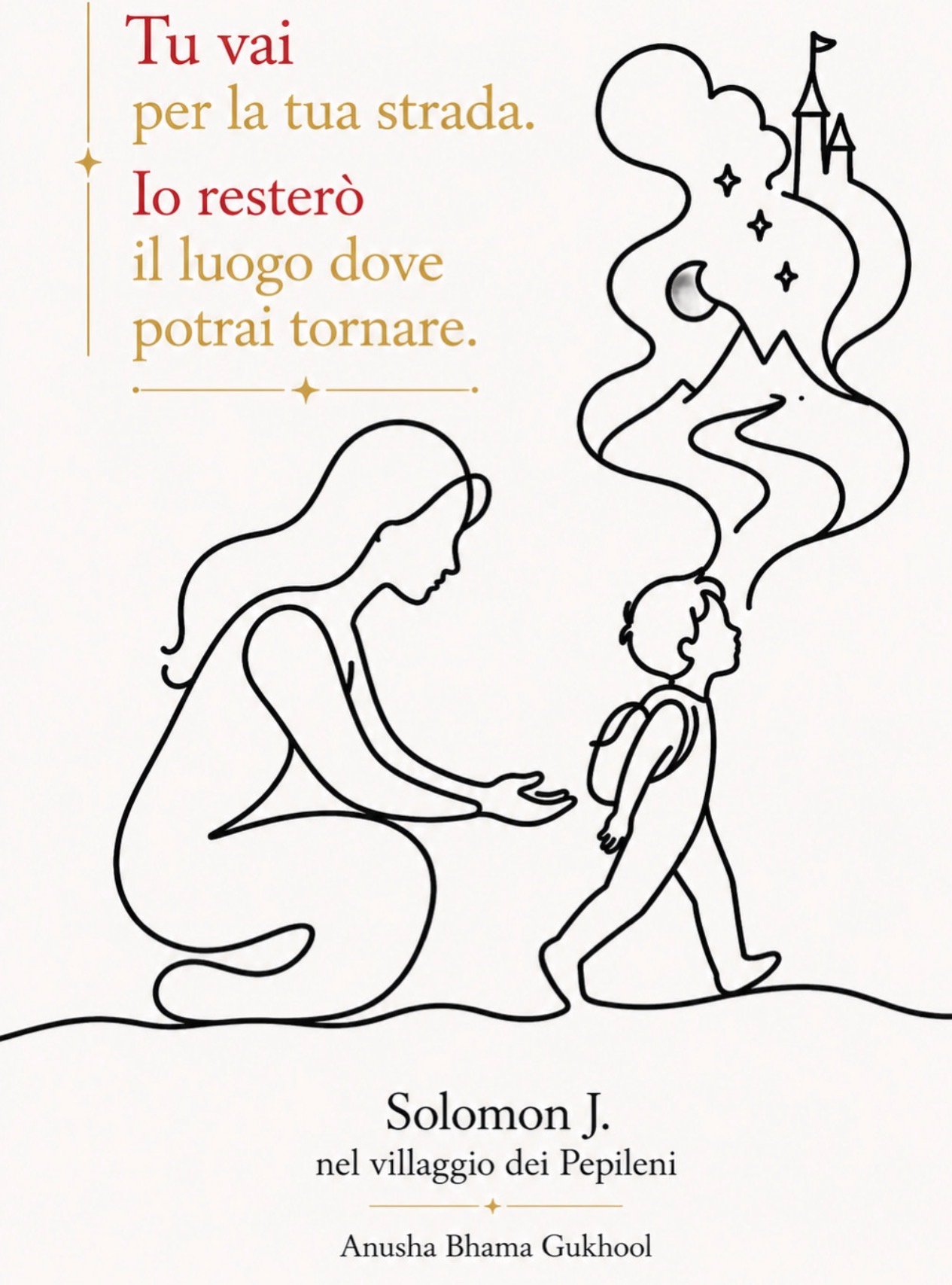
This is the story of a child who sets off with a question in his pocket, and of a mother who, instead of an answer, builds him a tailor made mythology to cross it.
The story of Solomon J. will give you back something that belongs to your own path.
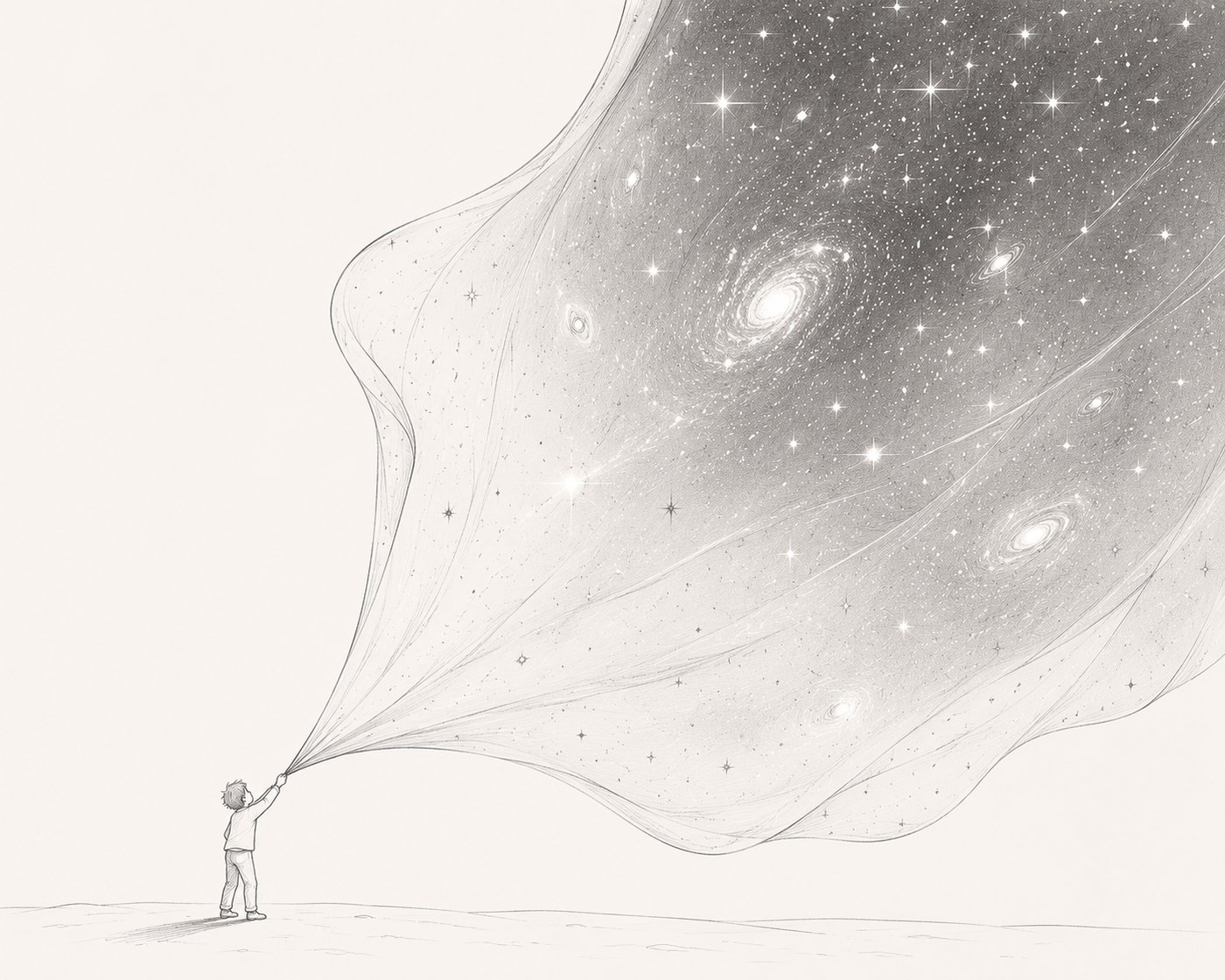
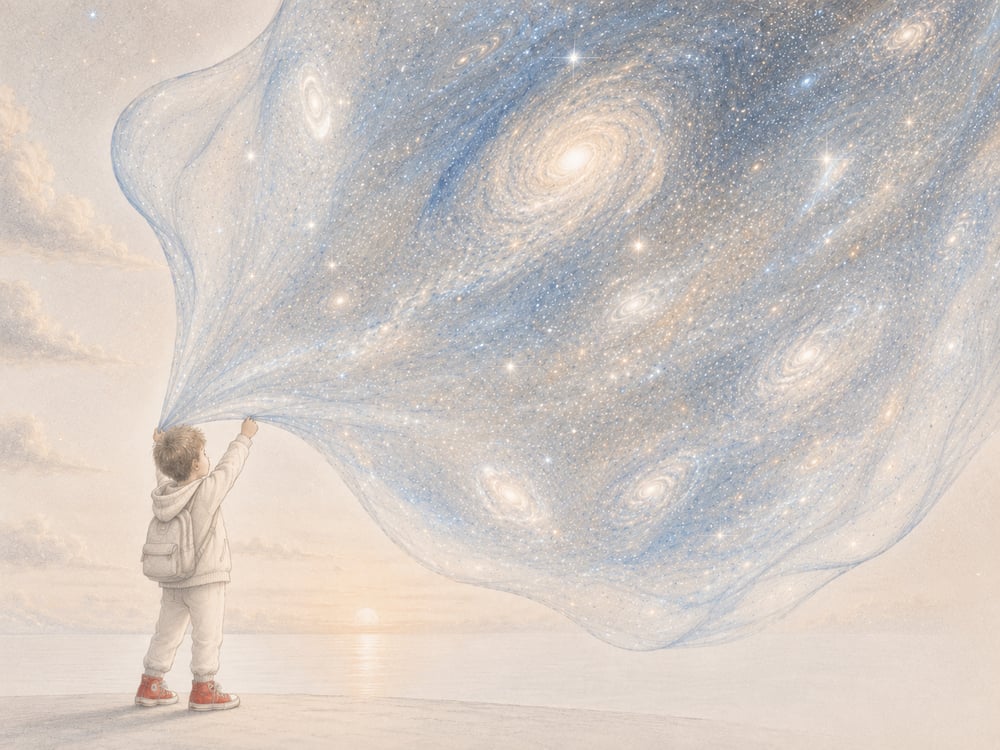
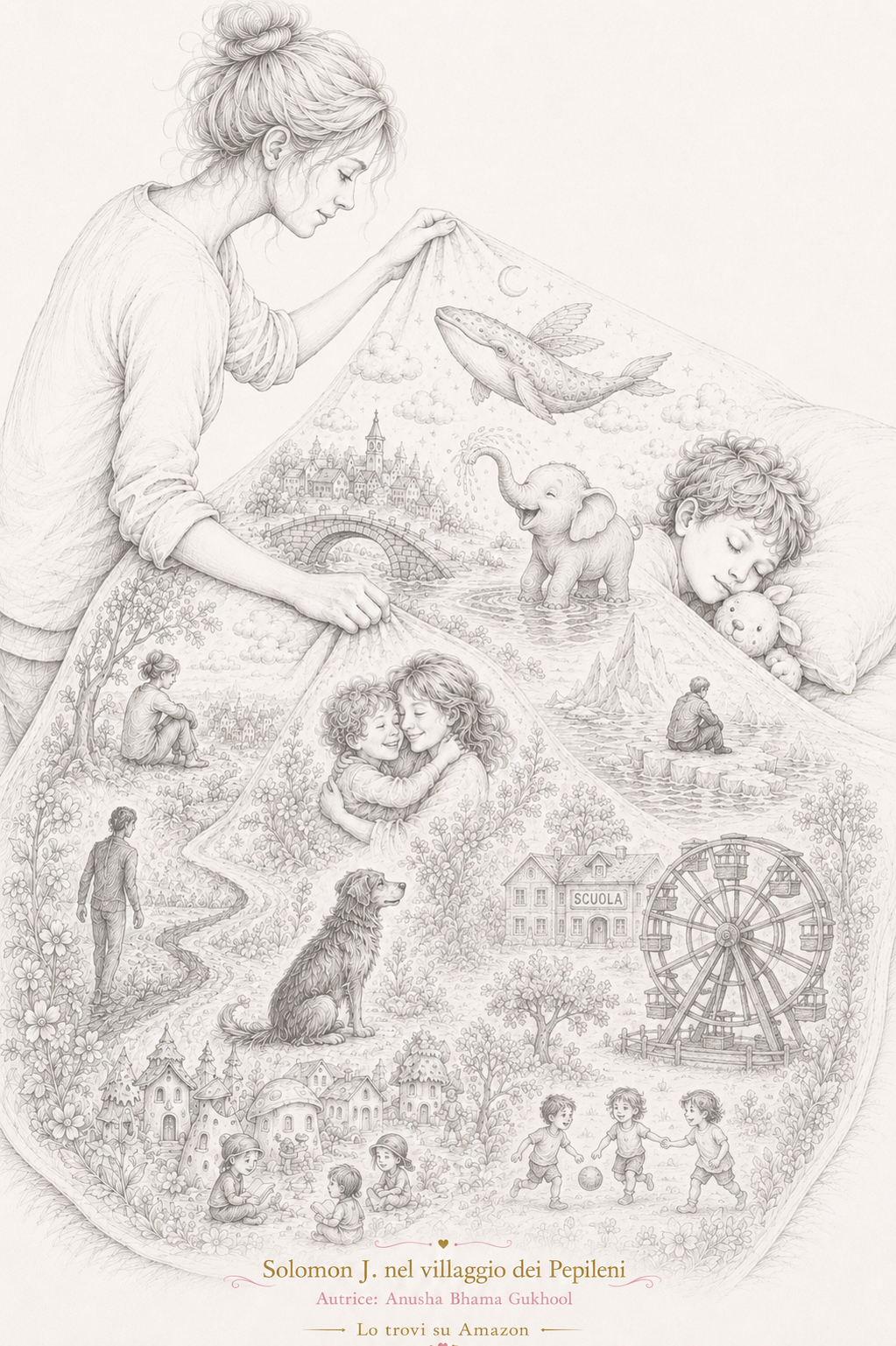
The Takaró is the blanket in which the Universe wraps every child before they come into the world: a map to find yourself again when absences turn into giants.
The worlds of the tale
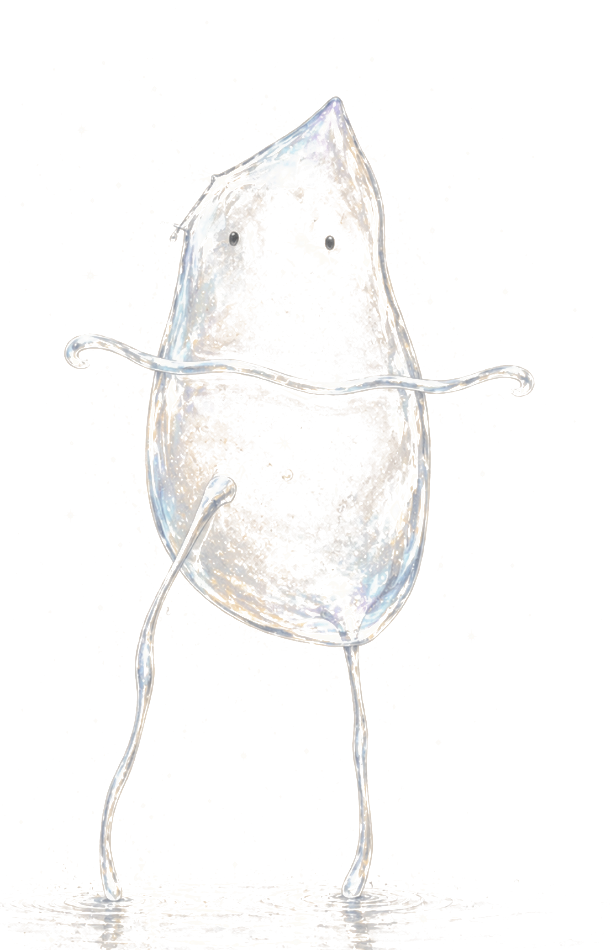
The Takaró, the Pepileni, Pepilandia, the Giant: every image opens a door. The full map gathers symbols, characters, places and themes in one starting point.
One rainy day the Pepileno Cucù appears to Solomon J. and takes him to Pepilandia, a village where people recognise one another and notice who is missing.
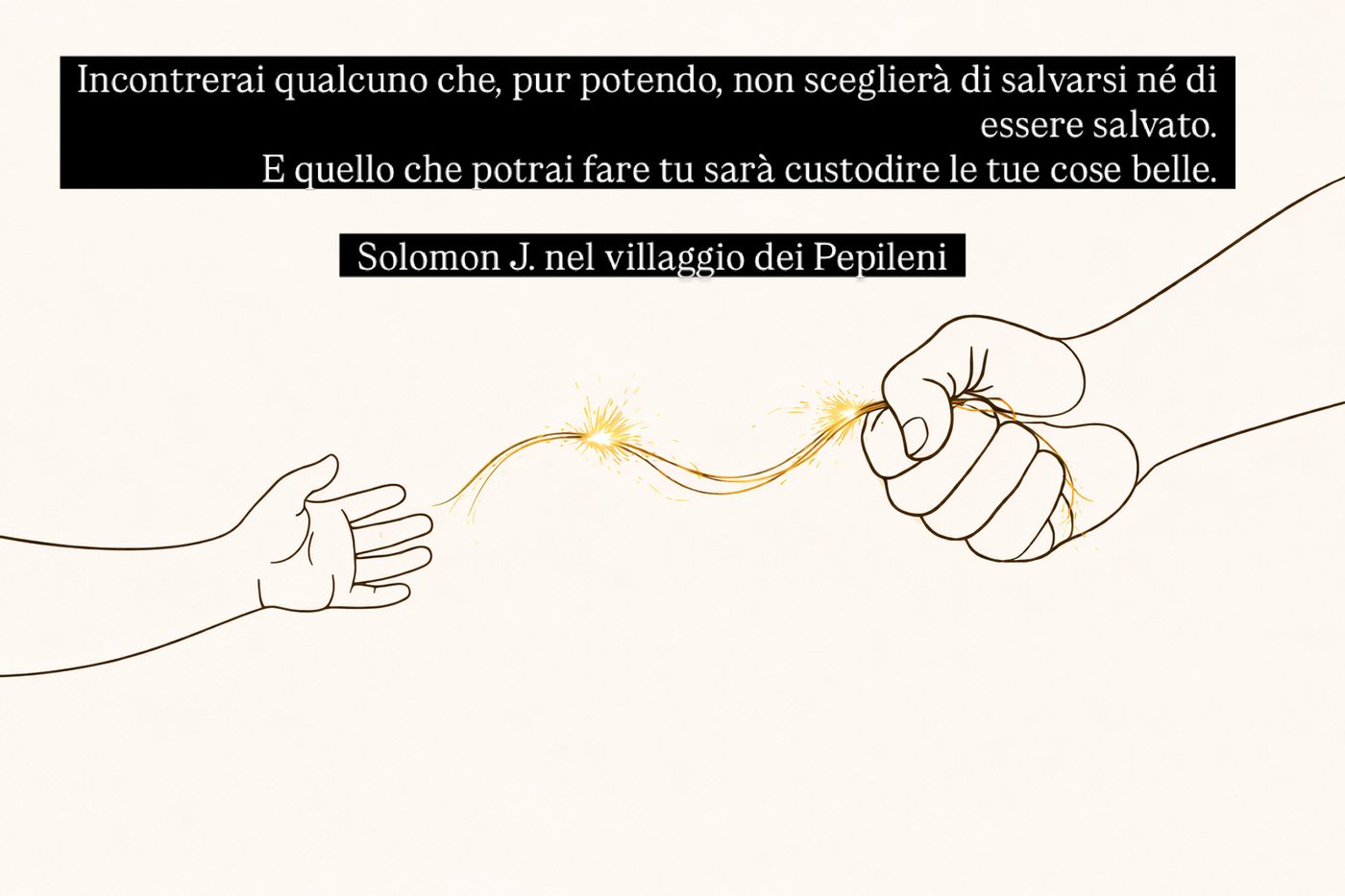
There he finds his little dog Layla again, follows Shadow and reaches the Giant in the glacier of Alcolà. These encounters bring him closer to the feelings and questions tied to his father's absence, while the work of addressing the Giant's dependency belongs to adults.
He comes home with more ways to remember, to ask and to understand, and with one discovery that holds the whole journey together:
sadness, fear, longing and joy are friendly, necessary emotions.
A symbol of the tale
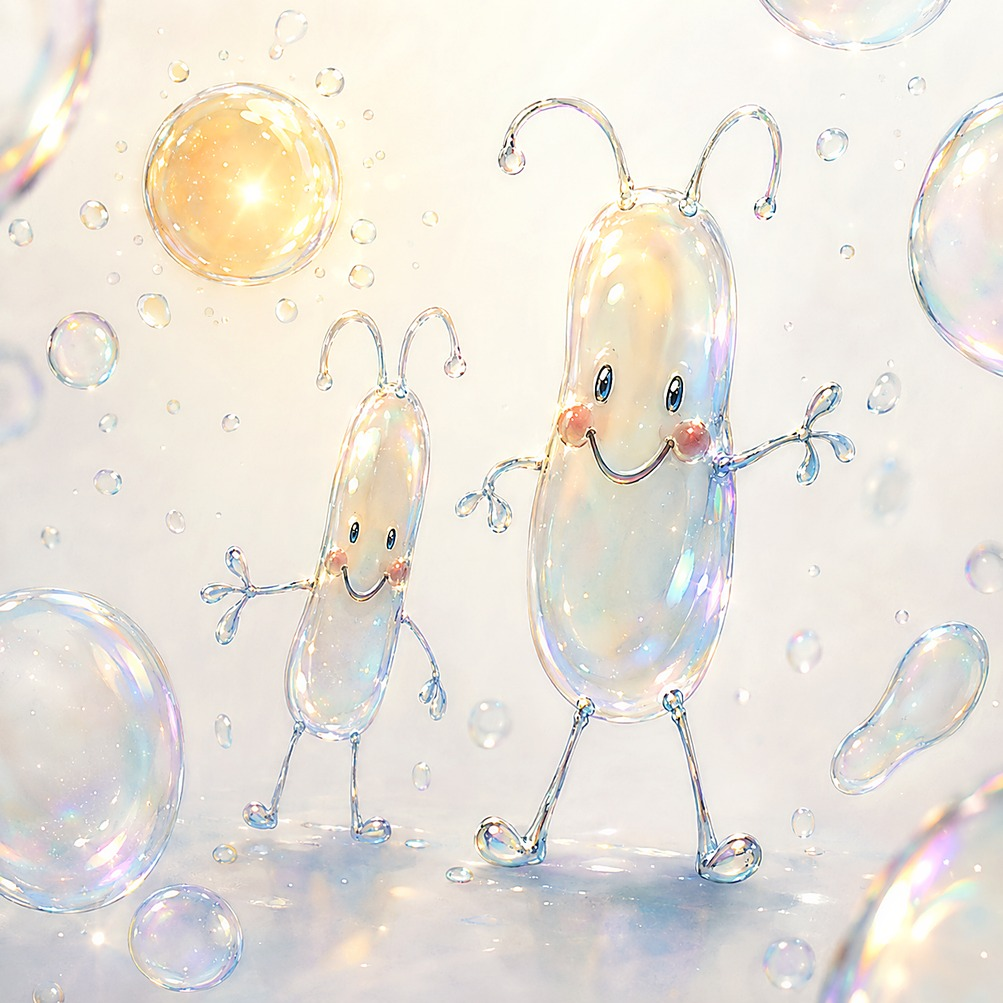
One rainy day a strange mosquito flies into the classroom and settles on the word ‘hello’, glowing with every colour of the rainbow.
Its name joins the smallest and the largest of creatures, the mosquito and the whale.
A playful contrast that invites curiosity and leaves readers free to find their own associations.
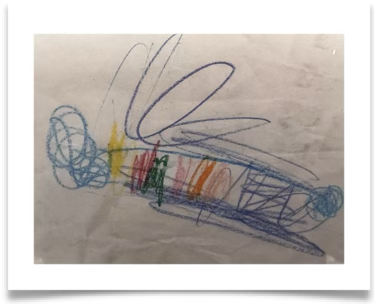
‘Children, don’t worry. The Zanzabalena is our friend. It only wants to say “hello”. Then it will go home by diving into the rainbow puddles!’

For years I have watched the way children learn, tell the world and build relationships. I am Anusha Bhama Gukhool, English teacher and author, and from this gaze come the book, the workshops and the Pepilandia project.
My wish is that every child may find a place where they feel recognised, and that every adult may learn to see what deserves to be kept safe.
A register of metaphors, symbols and ancient echoes that children feel as their own and adults recognise with the same intensity.
The village of the Pepileni is an original narrative universe, full of vivid images, discovered page after page.
The images and the coherence of the symbolic world keep resonating well beyond the last page.
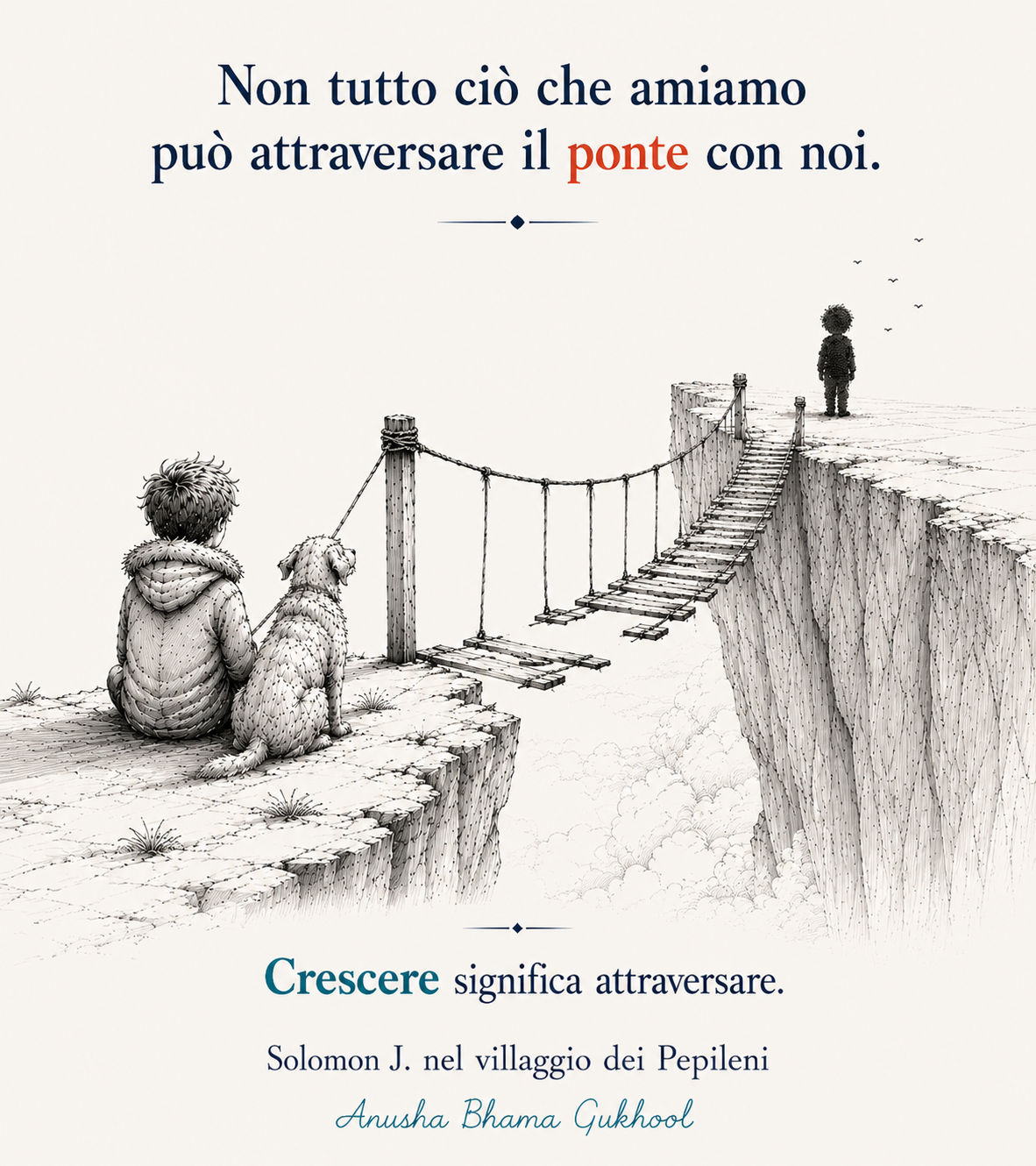
Images to read together and talk about fear, absence and getting back up.
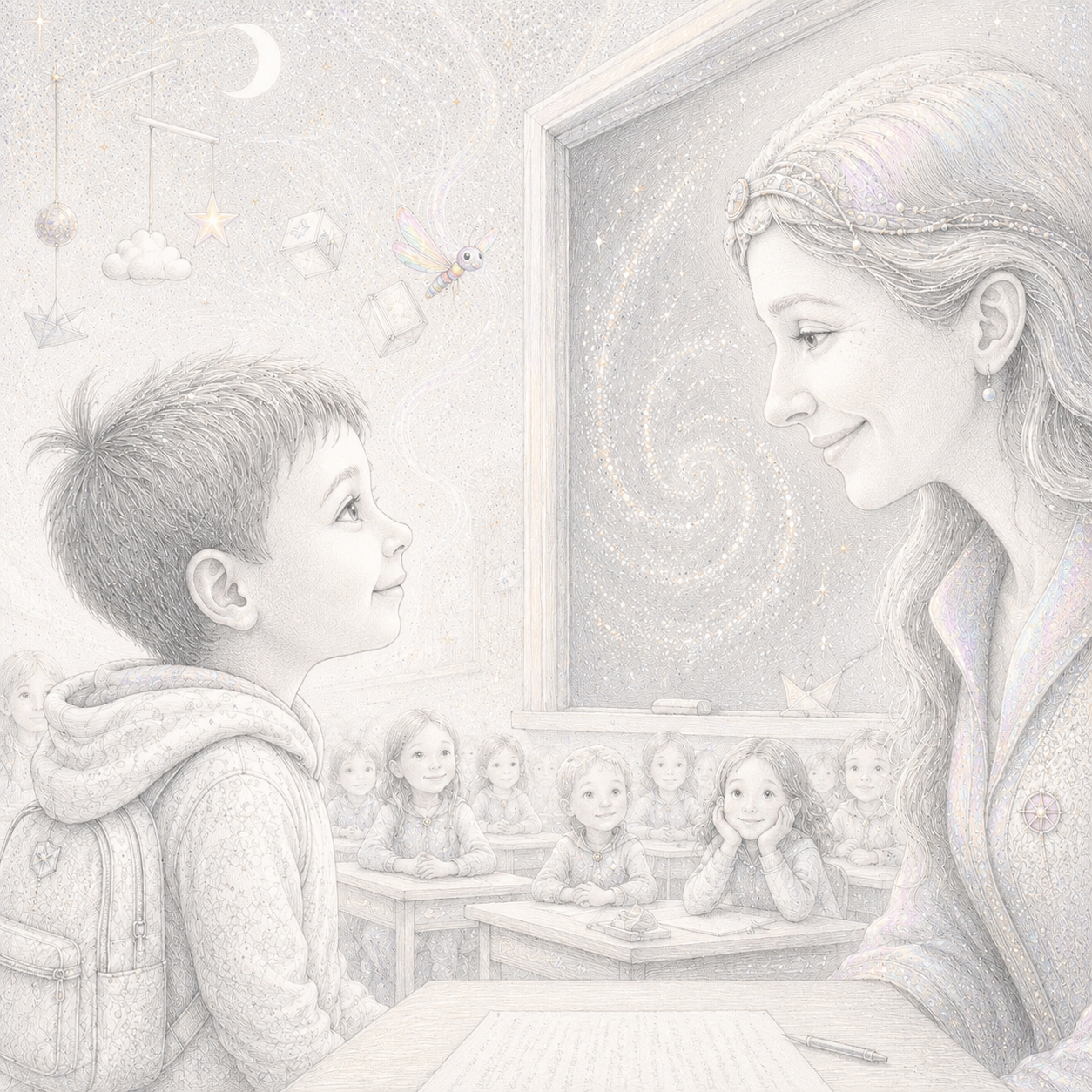
Keep readingA teacher who answers a child's imaginative language in front of the whole class.
Keep readingWhat makes a place a community, and how care becomes a shared responsibility.
Keep readingEssays to read the fairy tale with more eyes: giftedness, emotions, play, shared reading and symbols.
In Italian and in English
What the tale crosses
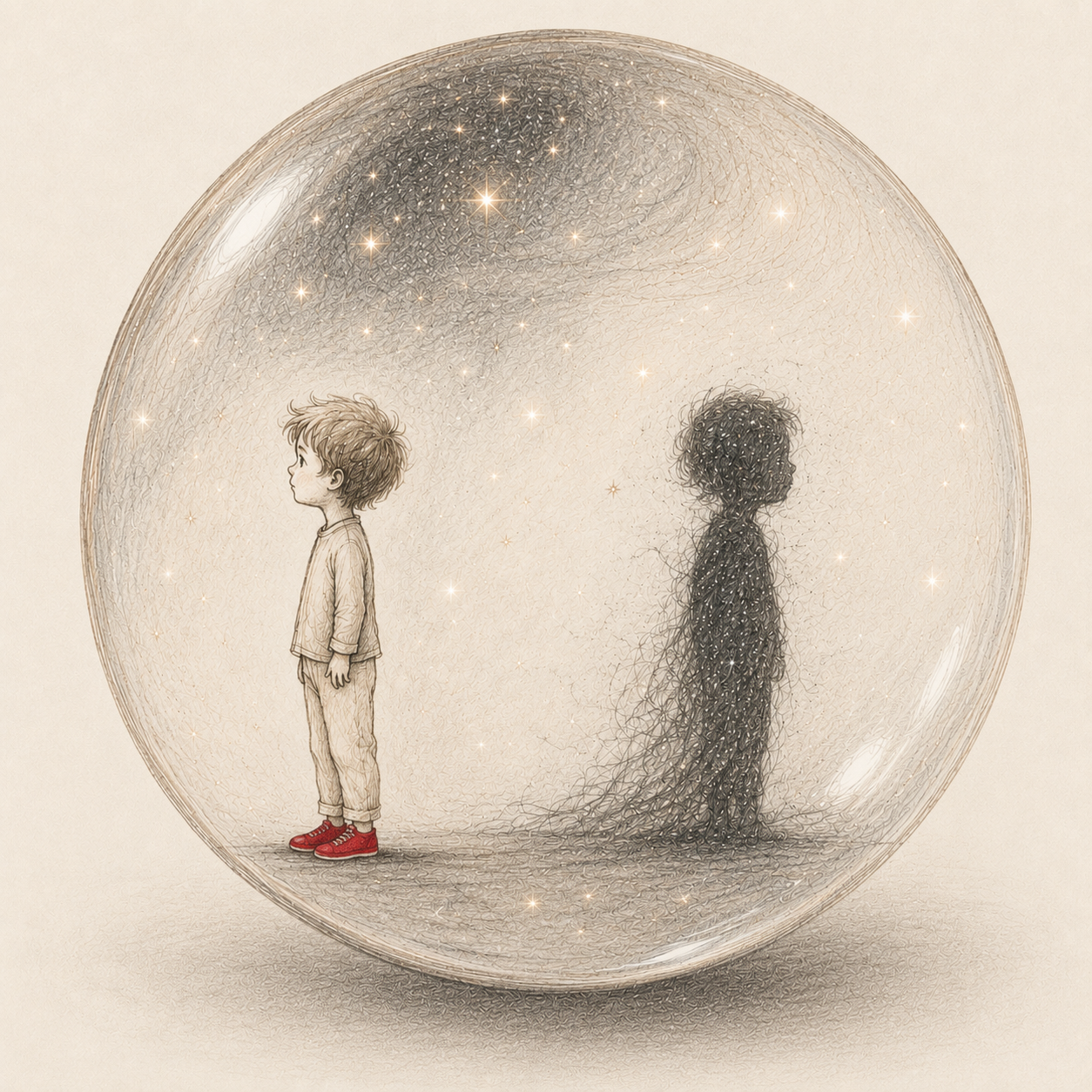
Anusha Bhama Gukhool gives symbolic shape to what children live with intensity: emotional amplification, endless curiosity, the sensitivity that gives birth to bubbles.
The fairy tale names what often stays in silence, and shows a possible village for those who wish to step out of their bubble.