Why read Solomon J. nel villaggio dei Pepileni
Ten reasons to choose this book
- 1
A language that belongs to children, and that adults recognise with equal intensity
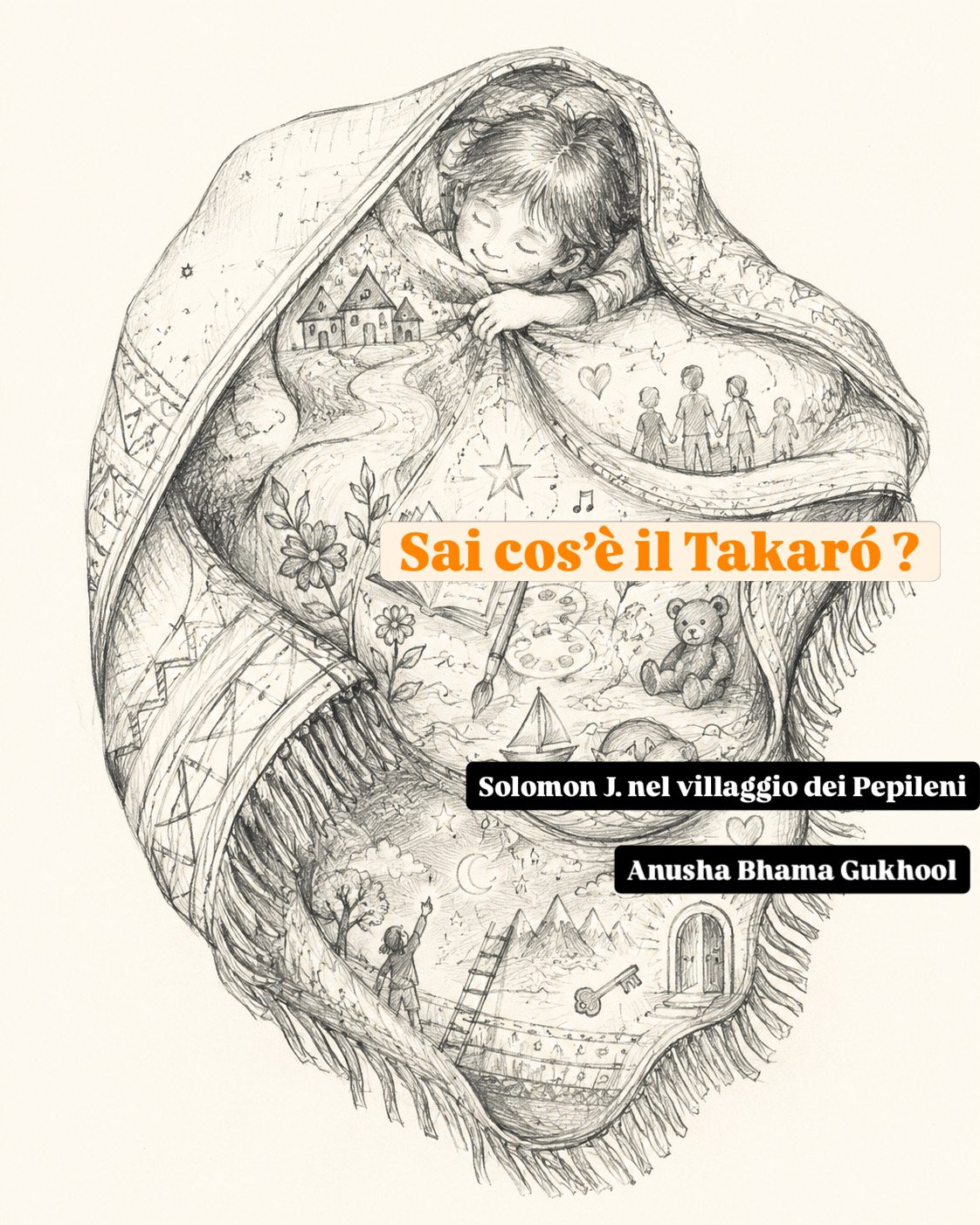
Reading this book, children encounter a language they feel belongs to them at the deepest level, a register made of metaphors, symbols and ancient mythological resonances, able to speak directly to the most authentic core of their emotional experience. This same language reaches the adult reader with equal force, who rediscovers in the story's symbolic voice the echo of their own childhood emotions, kept in memory and still alive in the present. The primordial grammar of childhood imagination becomes common ground, able to hold and reframe the emotions of the reader at any age, restoring their original intensity intact. The text speaks the language of childhood, recognisable at every age, and so reveals its own therapeutic vocation, turning reading into an experience that accompanies emotional growth and nourishes it with imagination, for the child who discovers and for the adult who remembers.
- 2
A new world to discover, page after page
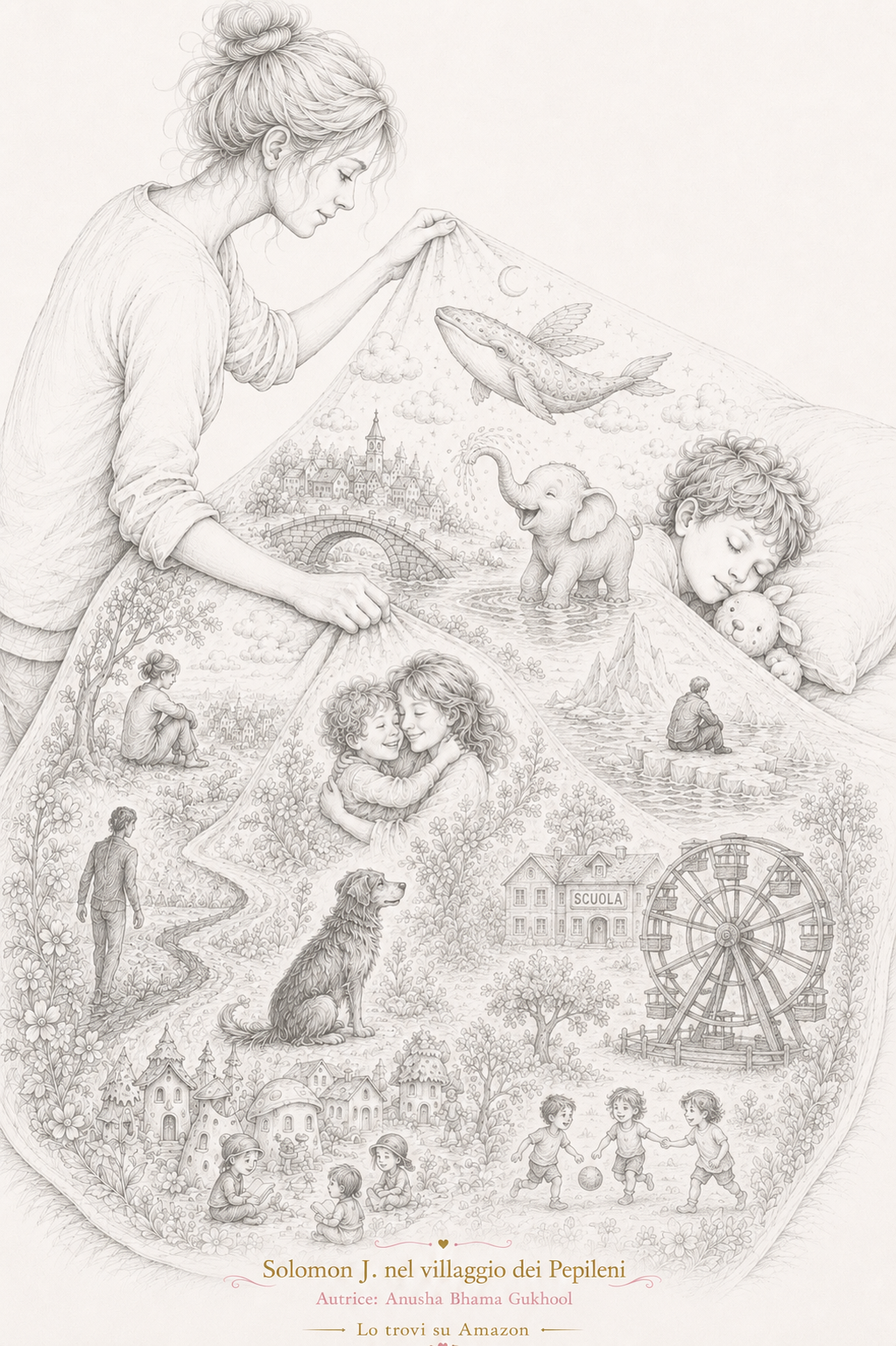
The village of the Pepileni presents itself as a fresh and original narrative universe, populated by vivid images and characters able to surprise anyone looking for a story that is beautiful to read, curious and engaging, giving that light pleasure that comes with a new discovery.
- 3
An Italian contribution to the literature on giftedness
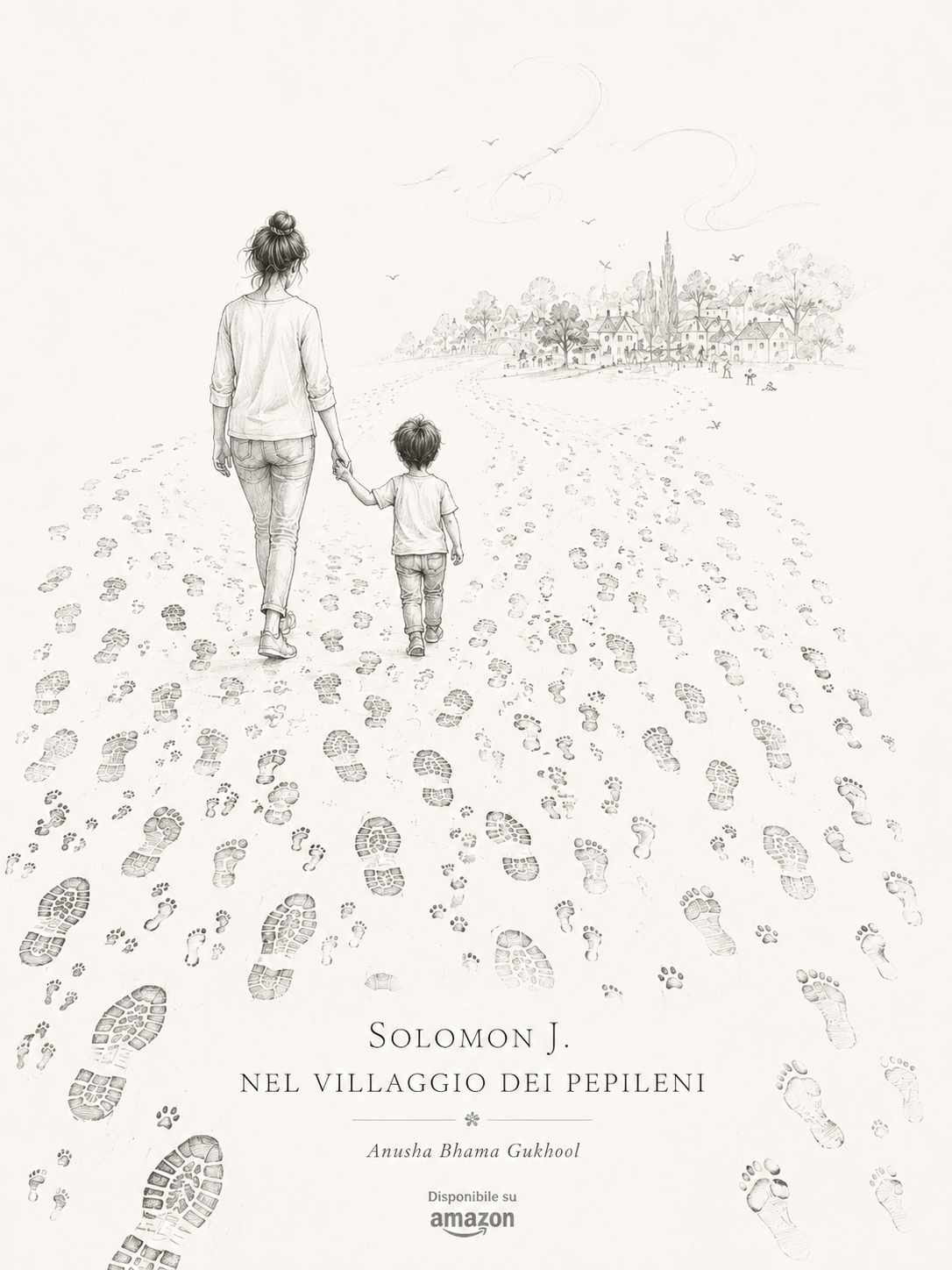
The book brings to life an entirely original mythology, built specifically to interweave with the theme of giftedness, an encounter that is a genuine novelty in the publishing landscape and opens up a narrative territory that has so far gone unexplored.
- 4
A story built to stay in the memory
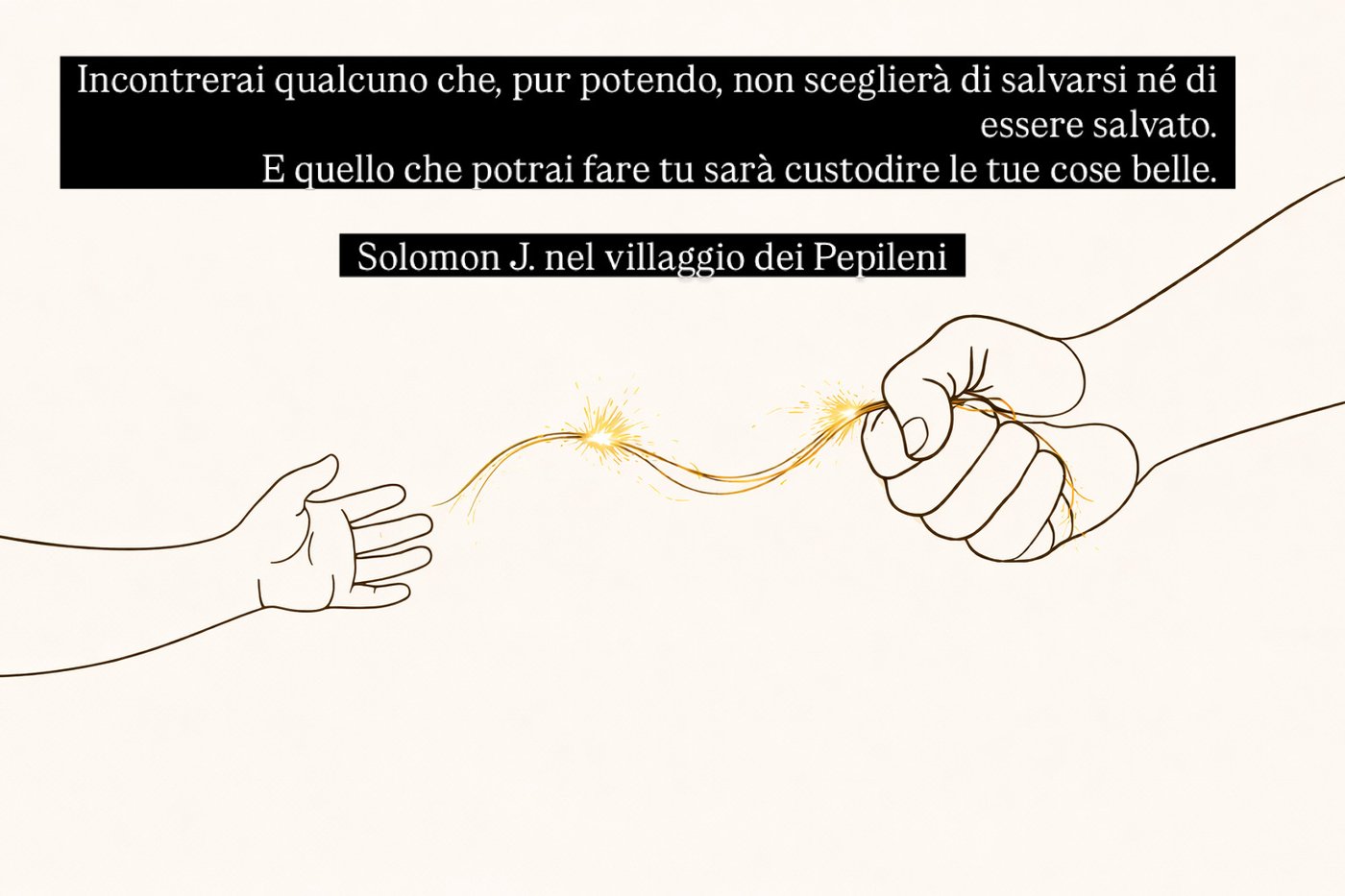
The strength of the images and the coherence of the symbolic world built by Gukhool give the reader a story that naturally imprints itself in the memory, offering a reading experience that keeps resonating well beyond the last page.
- 5
An authentic portrait of childhood
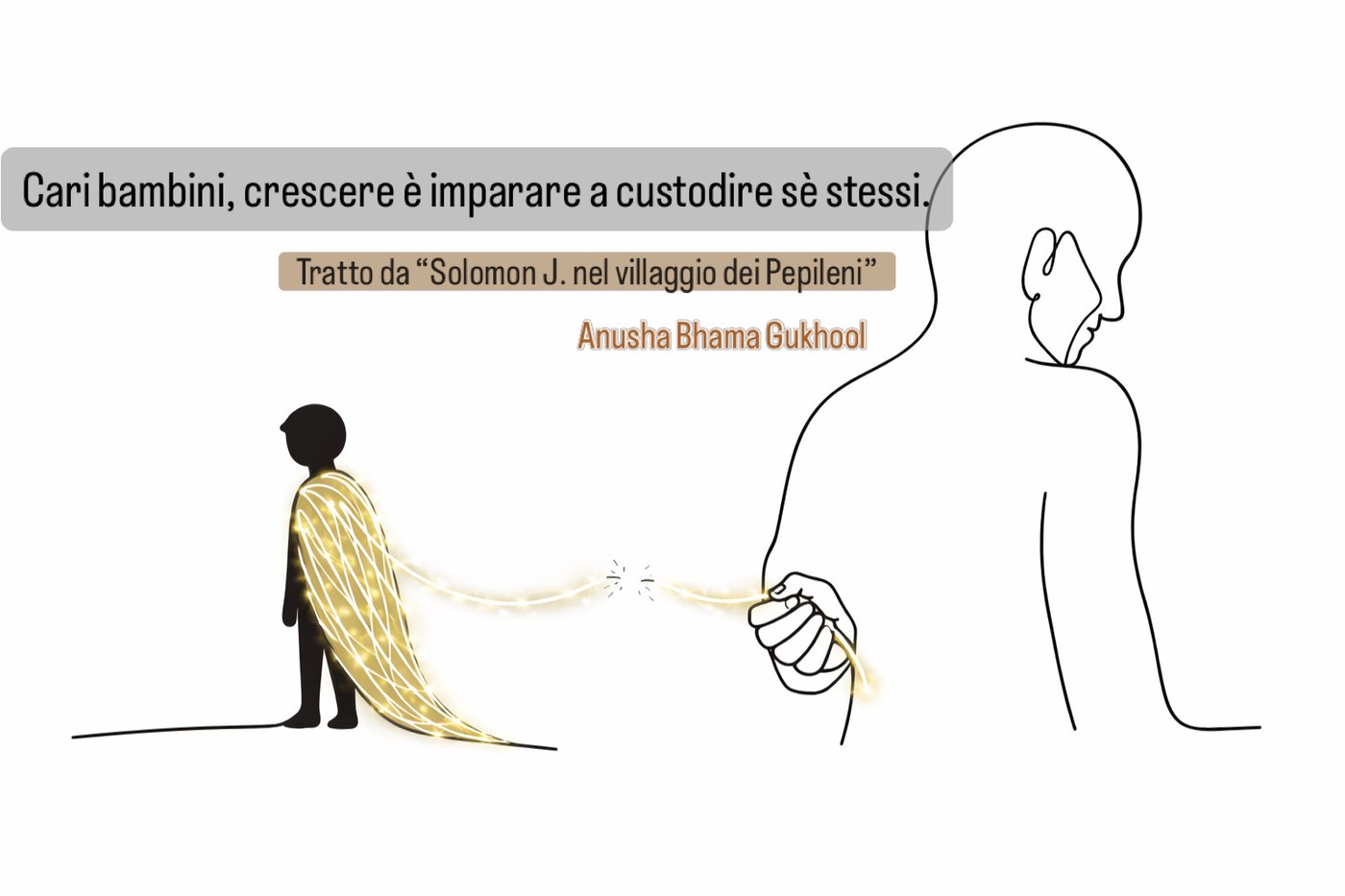
Solomon J. gently conveys the emotional and cognitive intensity of children with high potential, preserving its original richness and treating it as a precious form of sensitivity.
- 6
An original symbolic geography
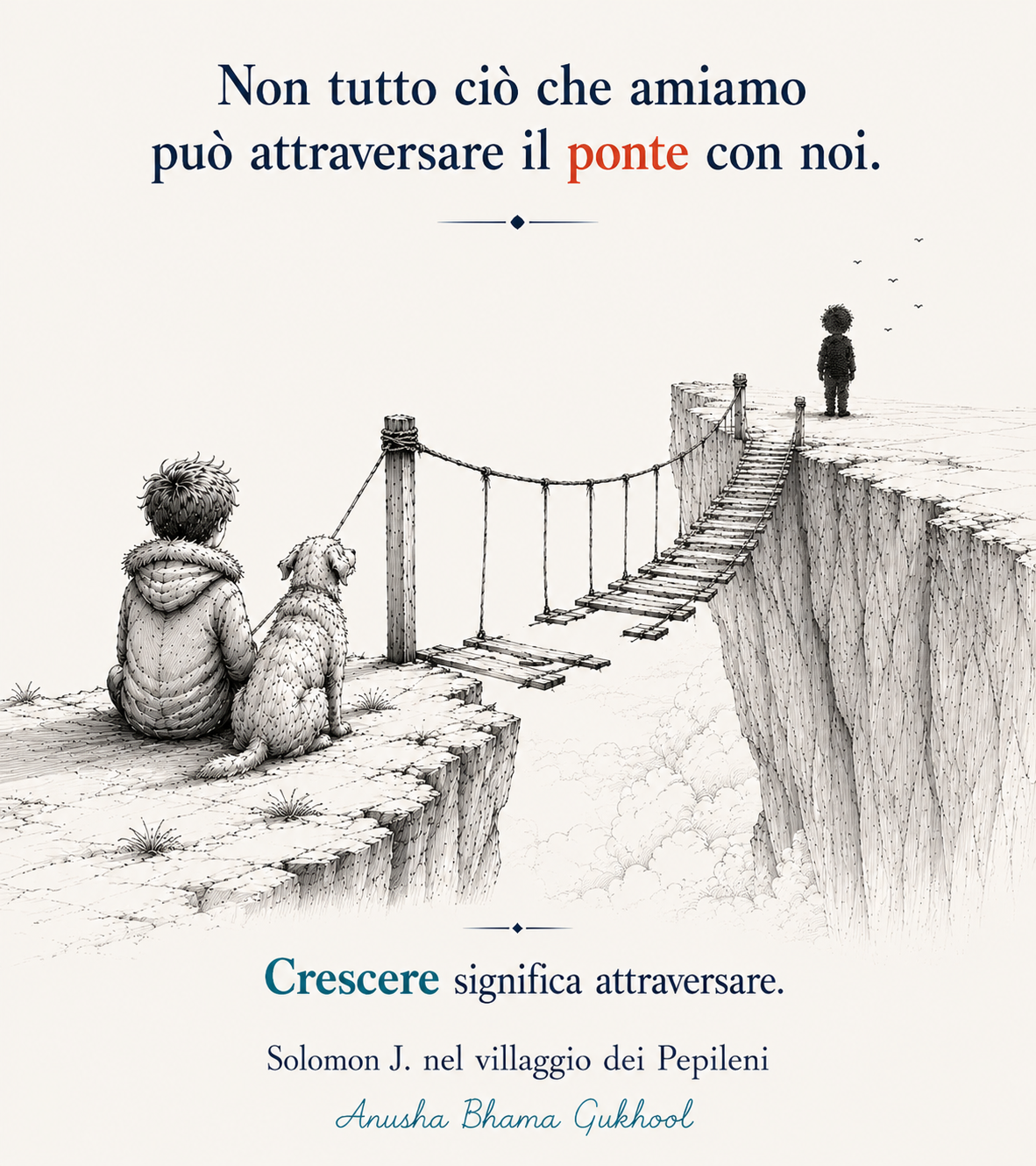
The narrative passage between the "city of dead dogs" and the village of Pepilandia builds a space able to represent desolation and renewal through vivid images, which speak to the reader with the direct force of symbol.
- 7
A profoundly human moral structure
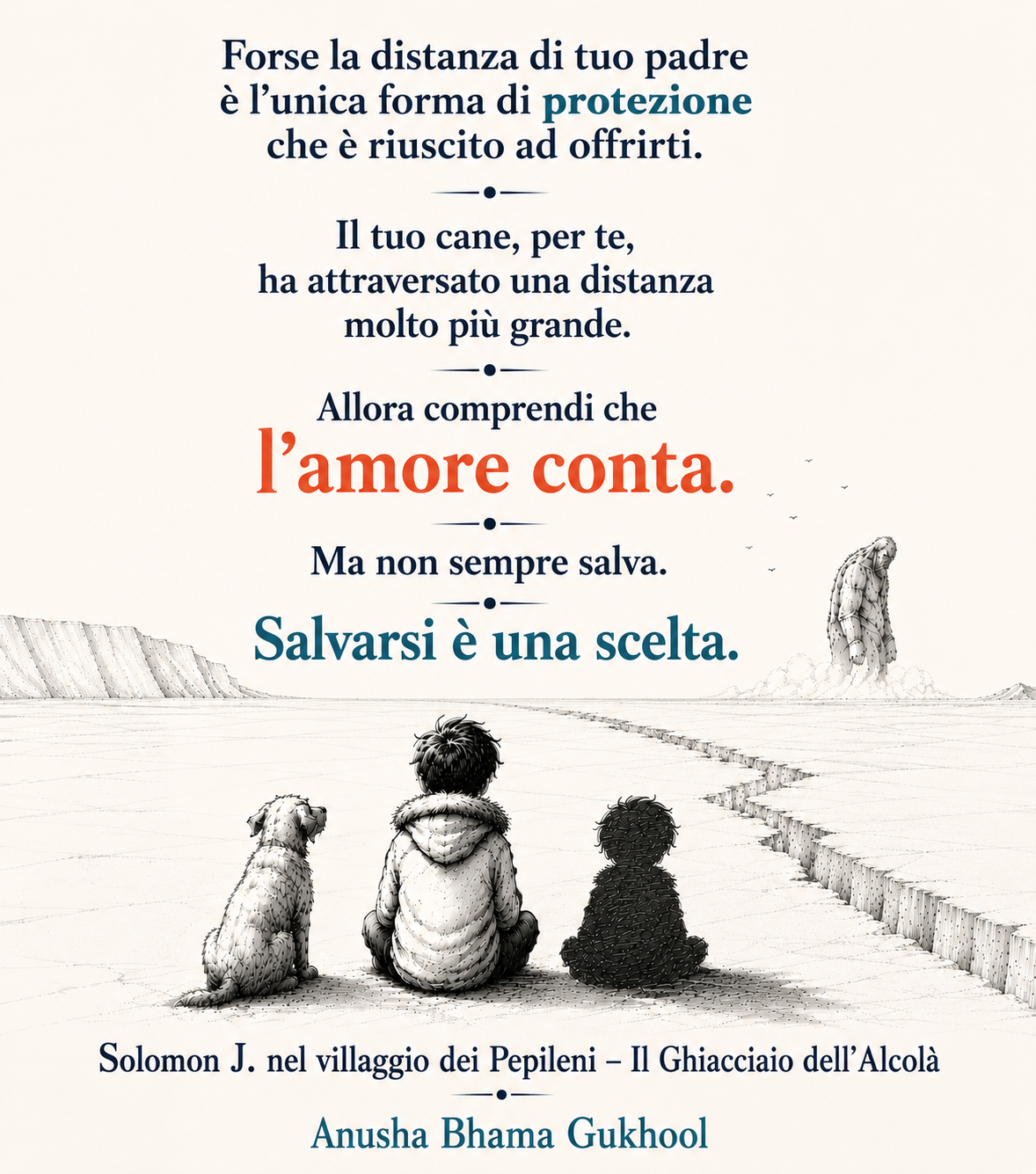
The story holds an authentic complexity, in which the protagonist's difficulties arise from real relational dynamics, able to mirror the reader's everyday experience with naturalness and truth.
- 8
A look at single parents
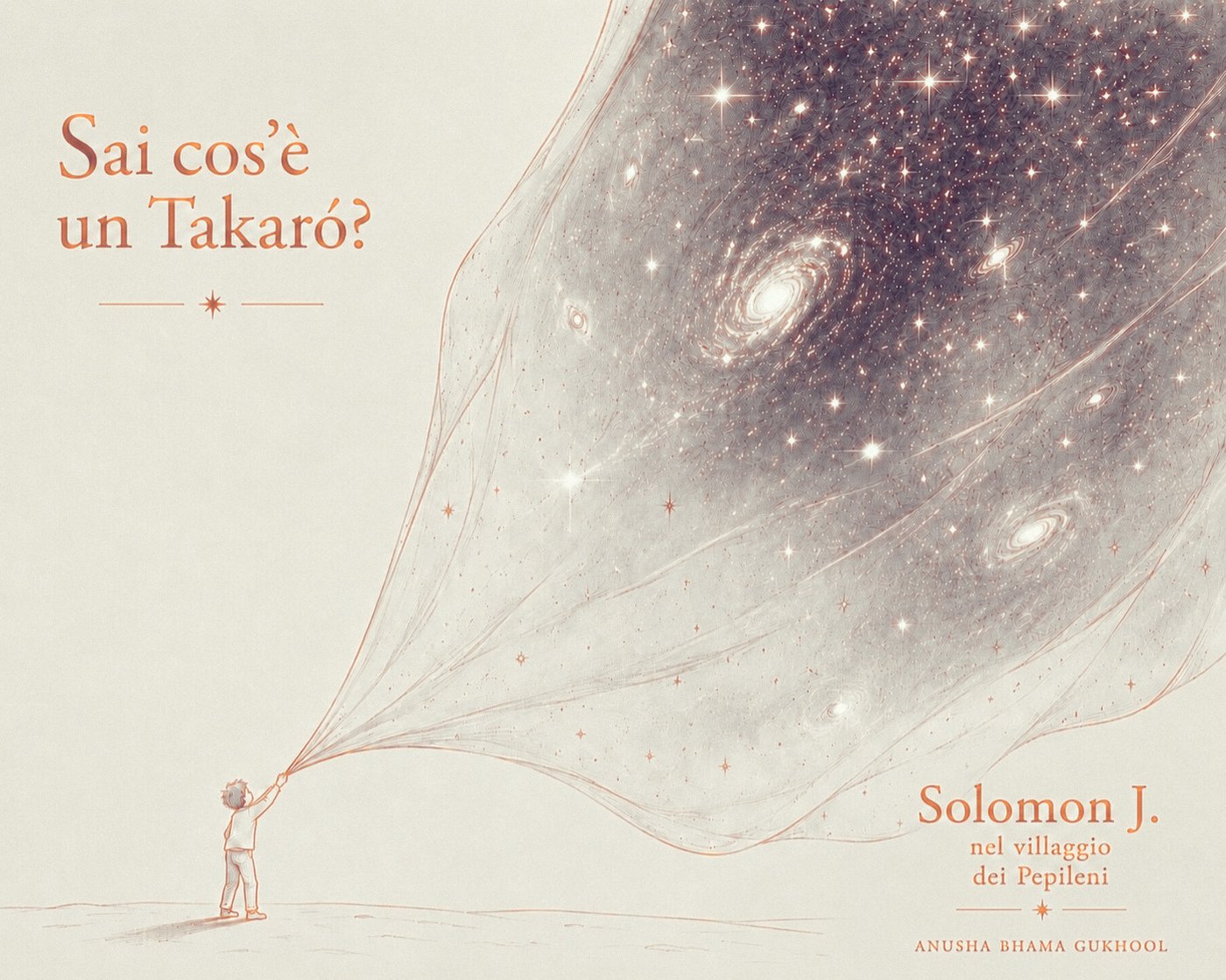
The book gives voice to the silent effort of those who raise a child with particular needs alone, offering this experience the recognition and the words it deserves.
- 9
A dual resource, for children and for adults
The hybrid structure between fairy tale and essay allows for a wide-ranging use, suited both to family reading and to study paths, academic theses or training in education.
- 10
A fairy tale in dialogue with contemporary psycho-pedagogical theory
The text weaves the fairy-tale narrative together with solid references to Bowlby, Winnicott, Vygotsky and Dąbrowski, offering a reading that nourishes both imagination and critical reflection.
Un motivo in più
Con questo libro sostieni una madre sola che cresce il suo bambino
Leggendo Solomon J. nel villaggio dei Pepileni partecipi ad una storia vera ed in evoluzione: ogni copia acquistata sostiene una madre che cresce da sola il suo bambino, e contribuisce, giorno dopo giorno, a ricreare un villaggio che funziona.